Handheld Dot Peen Marker for Fabrication
Handheld Dot Peen Marker for Fabrication: The Ultimate Guide For heavy industrial fabrication, a handheld dot peen marker is the definitive traceability tool. Instead of lifting heavy metal plates to a stationary machine, operators bring the portable marker directly to the asset. This eliminates crane-lifting hazards and immediately removes production bottlenecks. Real-World Example: Easily stamping API compliance codes onto a 5-ton fabricated pipe spool exactly where it sits in the staging yard. As a premier supplier in Australia, ADYAA distributes industrial-grade handheld dot peen markers engineered to withstand the extreme environments of mining, oil & gas, and heavy structural steel fabrication. Comparison: Handheld vs Benchtop Dot Peen Specification Handheld Dot Peen Marker Benchtop (Column-Mounted) Marker Primary Advantage Absolute Portability (Bring machine to asset) High Stability (Bring asset to machine) Best Application Large pipes, chassis, structural I-beams Small gears, valves, metal tags Power/Drive Options Fully Wireless (Battery) or Pneumatic 110V/220V + Pneumatic Air Line Marking Depth Deep (0.1mm – 0.8mm) Maximum Depth (Up to 1.0mm+) Workspace Requirement Zero (Used directly on the factory floor) Dedicated workstation table required What Is a Handheld Dot Peen Marker? A handheld dot peen marker is a portable industrial tool that uses an electrically or pneumatically driven carbide stylus to physically indent metal. Housed in a rugged pistol-grip chassis, it operates at high frequencies to create overlapping micro-craters. These craters form permanent serial numbers, logos, and 2D Data Matrix codes. Because it physically displaces the metal without heat (cold-marking), the identification survives extreme abrasion. Real-World Example: Stamping a permanent VIN onto an automotive chassis that will subsequently undergo harsh environmental exposure. Why ADYAA is the Preferred Supplier in Australia Sourcing reliable traceability equipment requires a supplier who understands localized industrial challenges. Rugged Distribution: We supply systems rated for the extreme dust and heat of Western Australian mining and Eastern seaboard fabrication hubs. On-Site Integration: Our engineering team provides direct on-site calibration and operator training. Comprehensive Support: From replacement carbide styluses to software troubleshooting, we ensure zero downtime for your plant. Benefits of a Handheld Dot Peen Marker for Fabrication Integrating a portable marking system transforms quality control and ISO compliance: Eliminates Material Handling: Stops the dangerous practice of using overhead cranes just to stamp a serial number. Example: Marking a 40-foot I-beam directly on the sawhorses. Deep Coating Survivability: Indentations remain perfectly readable after hot-dip galvanizing, sandblasting, or thick epoxy coating. Wireless Data Integration: Battery-operated units feature built-in Wi-Fi. Operators scan a work order barcode to auto-populate the marker, guaranteeing 100% data accuracy. How to Choose the Best Handheld Dot Peen Marker To prevent production delays, fabrication managers must select a unit based on hard operational data. Assess Your Air Supply: If you need maximum depth on hardened steel for galvanizing, use a Pneumatic Handheld Marker. If marking in a remote yard without air lines, select a Battery-Powered Electromagnetic Marker. Evaluate Substrate Hardness: Standard styluses mark mild steel easily. For hardened tool steel (50+ HRC), equip the marker with a specialized diamond-tipped stylus. Determine Window Size: To mark multi-line API logos and QR codes in one trigger pull, choose a large 120mm x 40mm marking window. Common Mistakes When Buying a Handheld Dot Peen Marker Purchasing a portable marker without assessing shop floor realities is costly. Here is how ADYAA prevents common procurement failures: 1. Buying Electric for Deep Galvanizing Applications The Mistake: Choosing an electric marker for steel that will be heavily hot-dip galvanized. The shallow mark vanishes under the thick zinc coating. The ADYAA Solution: We supply high-pressure pneumatic units when deep coating survivability is mandatory. 2. Ignoring Ergonomics for High-Volume Shifts The Mistake: Forcing operators to hold heavy marking heads against pipes manually, leading to fatigue and crooked text. The ADYAA Solution: We distribute lightweight units with integrated magnetic clamping bases that lock securely onto the steel, ensuring perfect, hands-free alignment. FAQ – Handheld Dot Peen Marker Q: Can a handheld dot peen marker be used on curved pipes? A: Yes. Specialized V-shaped front plates securely align the marker on curved pipes and cylinders. Q: How long does the battery last? A: High-end 18V lithium-ion batteries easily last a full 8-hour shift under heavy marking conditions. Q: Do these markers need a laptop to run? A: No. Premium models feature an integrated touchscreen right on the marking head. Q: How deep can a portable dot peen marker engrave? A: Pneumatic models mark up to 1.0mm deep, while electric models typically reach up to 0.5mm depending on material hardness. Q: Can it mark hardened steel? A: Yes. By using a specialized tungsten carbide or diamond stylus, they can mark metals up to 62 HRC. Q: Does it require consumables like ink? A: No. The only consumable is the carbide stylus, which lasts for thousands of marks and is easily replaced. Secure Your Fabrication Traceability with ADYAA Do not let part identification become a bottleneck. As a dedicated distributor and supplier, ADYAA provides the most rugged handheld dot peen markers across Australia. From the fabrication shops of Sydney to the staging yards of Perth, we supply the exact hardware required to secure your critical infrastructure. Consult with ADYAA Traceability Experts Today. Handheld Dot Peen Marker for Fabrication Gems 3510 Pressure Transmitter: Complete Selection Guide Accurate pressure monitoring plays an important role in industrial performance, process visibility and… Read More → Gems 3100/3200 Pressure Transmitters : Complete Guide Gems 3100/3200 Pressure Transmitters: Complete Guide Accurate pressure monitoring is essential across industrial environments where process visibility, operational consistency and… Read More → Gems 3510 Pressure Transmitter: Complete Selection Guide Gems 3510 Pressure Transmitter: Complete Selection Guide Accurate pressure monitoring plays an important role in industrial performance, process visibility and… Read More →
Efficient Dot Peen Marking Machine Guide
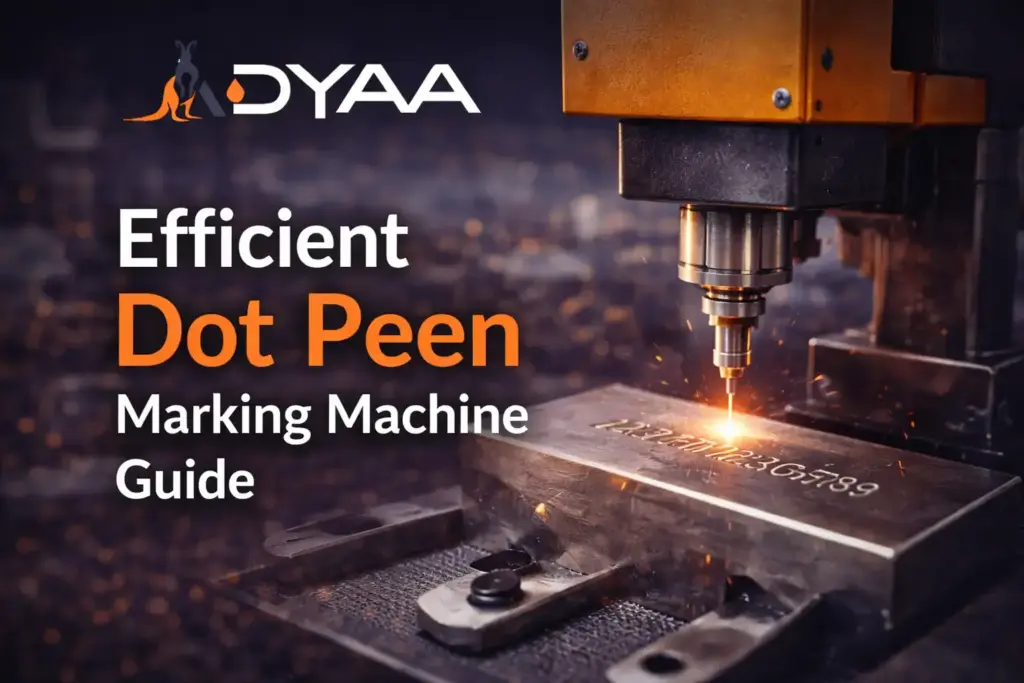
Efficient Dot Peen Marking Machine Guide: Optimize Your Production Not every fabrication shop requires a fully automated, high-speed robotic laser cell. For low to medium production environments—such as custom machine shops, boutique fabricators, and localized repair facilities—an efficient dot peen marking machine provides the perfect balance of cost, performance, and industrial-grade traceability. These systems deliver the exact same deep, permanent engraving as heavy-duty integrated units but are engineered for simpler setups, smaller batches, and maximum return on investment (ROI). Real-World Example: A local CNC machine shop batch-marking 50 custom aluminum pump housings a day with serial numbers and company logos without investing $40,000 in a high-speed laser. As a leading supplier in Australia, ADYAA distributes reliable, cost-effective efficient dot peen marking machines designed to give growing businesses access to global traceability standards without overcomplicating their floor operations. Efficient vs. High-Volume Marking Systems Specification Efficient Dot Peen Marking Machine Fully Automated Robotic Marking Cell Target Environment Low to Medium Volume (Batch or single-part) High Volume (24/7 continuous production) Initial Investment Low to Moderate Extremely High Operation Setup Standalone (Plug and play, manual load) Complex PLC and conveyor integration Marking Depth Deep (Survives paint and abrasion) Deep (Survives paint and abrasion) Best Application Custom fabrication, job shops, local repair Mass automotive or aerospace assembly What Is an Efficient Dot Peen Marking Machine? An efficient dot peen marking machine is a streamlined, user-friendly industrial tool that uses a vibrating carbide stylus to indent metal. Typically configured as a standalone benchtop unit or a simple handheld device, it requires minimal training to operate. It utilizes cold-working mechanical impact to create permanent alphanumeric text, dates, and 2D Data Matrix codes. Real-World Example: An operator loading a steel valve onto a benchtop marker, pressing a single start button, and walking away while the machine permanently engraves the pressure ratings. Why ADYAA is the Preferred Supplier in Australia Growing shops need a supplier who supports them, not one who just sells equipment and disappears. Right-Sized Distribution: We do not push unnecessary, expensive automation on small shops. ADYAA supplies exactly what you need for your current production volume. Plug-and-Play Setup: Our efficient benchtop and portable models arrive pre-calibrated. You plug them in, turn them on, and start marking on day one. Local Australian Support: If a stylus wears out or an operator needs software help, our local team provides immediate assistance to keep your shop running. Benefits of an Efficient Dot Peen Marking Machine Integrating a dedicated, right-sized marking system drastically improves shop floor efficiency: Incredible ROI: These machines cost a fraction of high-end optical lasers but deliver industry-standard compliance (ISO, API) that allows small shops to bid on larger tier-one contracts. Zero Expensive Consumables: Unlike inkjet systems that constantly require new ink cartridges and solvents, the only consumable here is a long-lasting carbide stylus. Rapid Job Changeovers: Built-in controllers allow operators to switch from marking a flat steel plate to a cylindrical aluminum pipe in seconds, keeping batch production moving. Example: Swapping a flat fixture for a rotary axis chuck in under two minutes. How to Choose the Best Efficient Dot Peen Marking Machine To maximize your investment, select a machine that directly aligns with your daily workflow. Choose Benchtop vs. Portable: If operators bring small, loose parts to a workstation, choose a Column-Mounted Benchtop Machine. If parts are heavy and immobile, select a Handheld Portable Machine. Look for Integrated Controllers: Avoid machines that require a dedicated external PC. Choose models with an integrated touchscreen controller right on the unit to save bench space and reduce IT headaches. Evaluate the Software: The machine should feature intuitive, icon-based software that allows operators to type text and generate serial numbers without needing CAD experience. Common Mistakes When Buying an Efficient Dot Peen Marking Machine Over-speccing equipment is the fastest way to waste capital. Here is how ADYAA engineers prevent poor procurement choices: 1. Buying a Complex Laser for a Dusty Environment The Mistake: A small welding shop buying an open-source laser marker. The welding dust quickly ruins the optical lens, and the high-contrast mark gets covered up by paint anyway. The ADYAA Solution: We supply a rugged, enclosed Pneumatic Dot Peen Machine that ignores shop dust and punches deep enough to survive the final coat of paint. 2. Ignoring Rotary Capabilities The Mistake: Buying a basic flat-bed marker, only to realize next month that you need to mark continuous text around the circumference of a pipe fitting. The ADYAA Solution: We supply efficient benchtop units with optional Plug-and-Play Rotary Axis Attachments, giving you the flexibility to mark both flat and cylindrical parts on the same machine. FAQ – Efficient Dot Peen Marking Machine Q: Is it hard to learn how to use this machine? A: No. Efficient models feature intuitive touchscreen software. Most operators can learn to program and mark parts in under 30 minutes. Q: Do I need a dedicated computer to run it? A: Not with modern systems. Most feature a built-in controller with a touchscreen, operating entirely independently of your shop’s IT network. Q: How much maintenance does it require? A: Very little. Aside from keeping the guide rails clean and occasionally replacing the carbide stylus, these mechanical systems run for years without major servicing. Q: Can it mark cylindrical parts like pipes and tubes? A: Yes. By adding a simple rotary chuck attachment to a benchtop model, you can automatically rotate and mark curved surfaces perfectly. Q: Does it run on regular wall power? A: Yes. Electromagnetic models plug directly into a standard 110V/220V outlet. Pneumatic models require standard wall power plus a basic shop air line. Q: Can I import my own company logo? A: Absolutely. You can easily import DXF or PLT files via USB to permanently engrave your custom logo onto your parts. Secure Your Shop’s Traceability with ADYAA Stop relying on messy hand stamps or expensive outsourcing for your part identification. As a dedicated distributor and supplier, ADYAA provides the most reliable and efficient dot peen marking machines across Australia.
Optimizing Process Instrumentation Setup
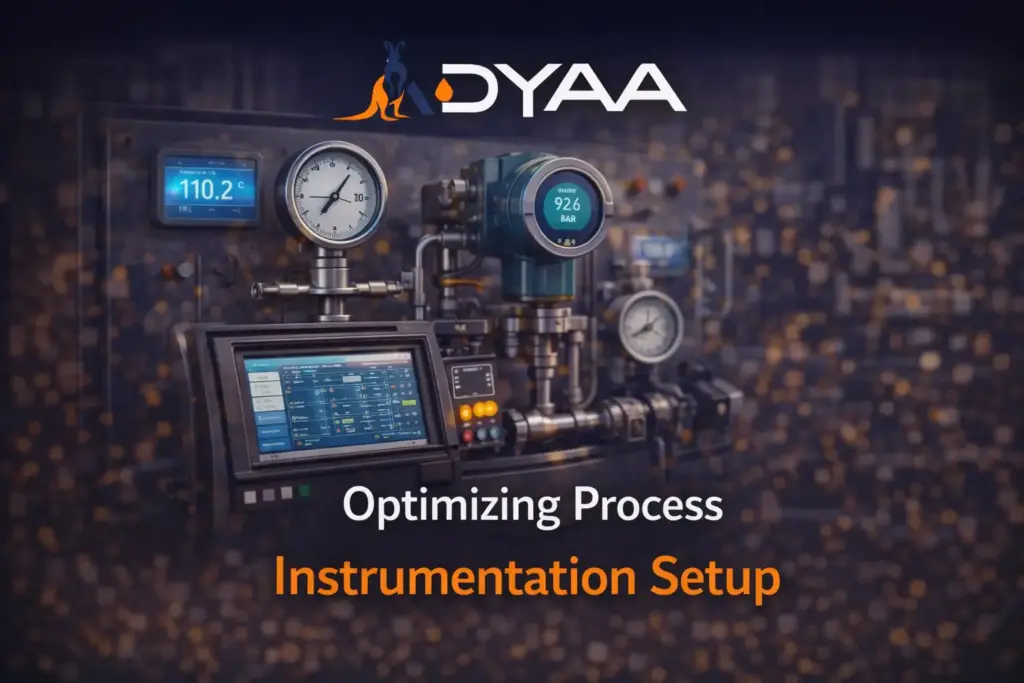
How to Optimize Your Process Instrumentation Setup Optimizing your process instrumentation setup involves strategically selecting, installing, and calibrating the exact sensors, transmitters, and controllers needed to monitor your plant’s physical variables. Standard setups often rely on generic sensors placed in convenient locations, leading to inaccurate data and inefficient operations. A truly optimized setup eliminates blind spots, utilizes smart digital diagnostics to predict failures, and guarantees that your control room is making critical production decisions based on 100% accurate, real-time data. Quick Comparison: Standard vs. Optimized Instrumentation Loop Component Standard Setup Optimized Setup Primary Sensors Generic, one-size-fits-all selection Specifically matched to fluid dynamics and media Transmitters Basic analog outputs (4-20mA only) Smart digital protocols (HART, Modbus) Installation Placed for maintenance convenience Placed for absolute measurement accuracy Maintenance Reactive (fix when broken) Predictive (diagnostics alert before failure) To maximize plant safety, reduce material waste, and increase overall product yield, here is the engineering breakdown of how to audit and optimize your measurement tools. Understanding the Core Instrumentation Loop If heavy machinery is the muscle of your manufacturing plant, process instrumentation is the central nervous system. Before optimizing, you must ensure the three primary components of your control loop are communicating flawlessly. The Three Pillars of Measurement The Primary Element (The Sensor): The physical device in direct contact with the process media (e.g., a thermocouple measuring heat, or a dew point sensor detecting moisture). The Transmitter: The device that converts the raw physical signal from the sensor into a standardized electrical signal. The Controller (PLC/DCS): The brain of the operation. It reads the transmitted signal and automatically makes mechanical adjustments, such as opening a control valve to lower tank pressure. 3 Steps to Optimize Your Setup If your plant is experiencing inconsistent product quality, mysterious pressure spikes, or frequent equipment trips, your instrumentation setup requires an immediate overhaul. 1. Specify the Right Technology for the Media Never use a generic sensor for a complex industrial application. Optimizing means matching the physics of the sensor to the physical state of the product. Real-World Example The Problem: Using a standard ultrasonic level sensor to measure a highly foaming, agitated chemical in a tank. The foam absorbs the sound waves, causing the sensor to send false “empty” readings to the controller. The Optimization: Upgrade to a Guided Wave Radar (GWR) sensor. Radar pulses cut straight through foam and chemical vapors to provide absolute accuracy, preventing dangerous tank overflows. 2. Correct Installation and Strategic Placement Even the most expensive instrument will deliver garbage data if it is installed in the wrong location on the pipeline. Flow Meter Optimization Flow meters must be installed with enough straight pipe runs upstream and downstream. If installed immediately after a pipe elbow or a valve, the fluid turbulence will cause erratic and false flow readings. Temperature Sensor Optimization The thermowell must be inserted deep enough into the pipe (typically the center third). If it is too short, it measures the cooler temperature near the pipe wall rather than the core fluid temperature, leading to under-heating in your process. 3. Upgrade to Smart Digital Diagnostics Legacy analog gauges require operators to walk the plant floor with a clipboard, manually recording dials. This introduces human error and delays critical response times. The Power of Smart Transmitters Upgrading to smart digital process instrumentation completely changes your maintenance strategy. Modern transmitters not only send the primary measurement (like pressure) to your control room but also send secondary diagnostic data. The instrument will actually alert your maintenance team if its internal sensor is drifting, if it is clogged with debris, or if its signal line is degrading. The Crucial Role of Routine Calibration Optimization is not a one-time installation event. Over time, extreme industrial heat, constant vibration, and harsh chemical exposure will cause even the best sensors to “drift” from their true zero point. Implementing a strict, traceable calibration schedule is the only way to guarantee your optimized loop remains accurate. If a pressure transmitter drifts by just 2%, your controller might force a boiler to run hotter than necessary, wasting thousands of dollars in energy costs. Take Control of Your Plant’s Data Running an industrial facility on inaccurate data is a massive operational and financial risk. ADYAA Engineering supplies, installs, and calibrates premium process instrumentation designed specifically for rigorous manufacturing demands. From high-accuracy dew point sensors to critical temperature monitoring, we ensure you have total control over your production process. Explore our process instrumentation tools. Industrial IoT in Manufacturing Explained – Copy How to Optimize Your Process Instrumentation Setup Optimizing your process instrumentation setup involves strategically selecting, installing, and calibrating the exact… Read More → Industrial IoT in Manufacturing Explained Industrial IoT in Manufacturing Explained Industrial IoT in manufacturing (IIoT) is the integration of smart, internet-connected sensors and cloud-based analytics… Read More → High Pressure Sealing Solutions Guide A Complete Guide to High Pressure Sealing Solutions High pressure sealing solutions are specialized industrial gaskets engineered to contain volatile… Read More →
High Pressure Sealing Solutions Guide
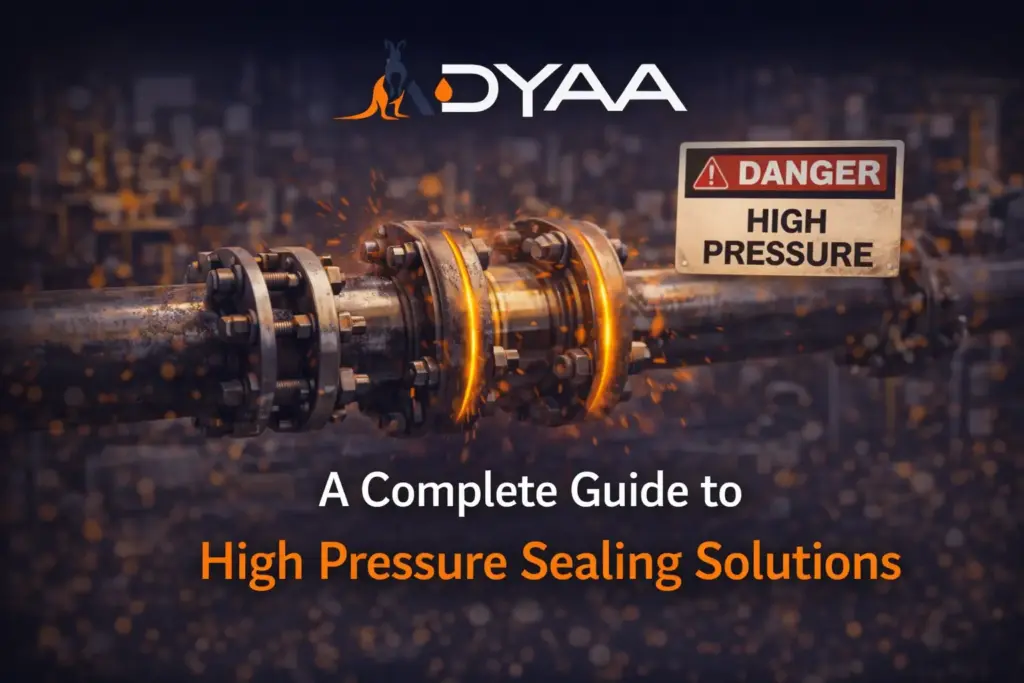
A Complete Guide to High Pressure Sealing Solutions High pressure sealing solutions are specialized industrial gaskets engineered to contain volatile fluids and gases under extreme operational stress. Standard rubber seals fail under high pressure due to extrusion and thermal degradation. To prevent catastrophic blowouts and toxic emissions, heavy industries must utilize advanced metallic and semi-metallic seals—like Spiral Wound, Ring Type Joints (RTJ), and Kammprofile gaskets—paired with high-performance fillers like flexible graphite or PTFE. Here is a comprehensive engineering guide to selecting the exact right seal for your critical infrastructure. Quick Comparison: High-Pressure Gasket Types Gasket Type Primary Structure Best For Maximum Pressure (Approx.) Spiral Wound Alternating metal wire & soft filler Steam lines, thermal cycling Up to Class 2500 Ring Type Joint (RTJ) Solid metal ring (Oval/Octagonal) Offshore drilling, extreme pressure Class 1500 to API 10,000+ Kammprofile Serrated metal core with soft facing Uneven flanges, high seating stress Up to Class 2500 Understanding High-Pressure Seal Failures Before specifying a high-performance seal, facility managers must understand exactly how and why extreme pressure destroys standard elastomer gaskets. The Mechanics of Extrusion Under massive pressure, soft gasket materials behave like highly viscous liquids. The internal pipeline pressure literally squeezes the gasket out of the flange gap until the seal is completely lost. High-pressure solutions prevent this by using a rigid metal core or containment ring to trap the sealing material in place. Thermal Degradation High pressure is almost always accompanied by high heat. Standard rubber or silicone will bake, harden, crack, and lose its ability to compress. Advanced sealing solutions rely on materials that do not degrade thermally, ensuring long-term pipeline integrity. Core High-Pressure Sealing Technologies To combat extrusion and blowout, modern industrial seals rely on clever metallic designs combined with resilient filler materials. 1. Spiral Wound Gaskets This is the versatile workhorse of high-pressure industrial piping. How It Works Alternating layers of V-shaped metallic wire and a soft filler material (like graphite) are wound together under tension. The metal provides structural blowout resistance, while the soft filler molds into the flange imperfections. Best Industrial Applications High-temperature heat exchangers. Live steam lines. Pipelines experiencing frequent thermal cycling and pressure spikes. 2. Ring Type Joints (RTJ) When pressures exceed Class 900, traditional flat gaskets are no longer safe, and RTJs become mandatory. How It Works RTJs are solid metal rings that rest inside specially machined grooves on the flange faces. As the heavy flange bolts are tightened, the metal ring physically deforms (coining) into the flange groove, creating a permanent, impenetrable metal-to-metal seal. Best Industrial Applications Offshore oil and gas drilling platforms. Extreme-pressure chemical reactors. High-pressure steam headers. 3. Kammprofile (Camprofile) Gaskets These gaskets offer the extreme blowout resistance of a solid metal gasket with the conformability of a soft gasket. How It Works A solid metal core is machined with concentric serrations (grooves) on both sides. A thin layer of soft material is applied over the serrations. When compressed, the metal core bites into the flange, while the soft facing fills the micro-voids. Best Industrial Applications Applications requiring high seating stress. Older pipelines where the flange faces might be slightly damaged or uneven. Toxic chemical lines require absolute zero-emission containment. Selecting the Right Filler Material While the metal structure provides the strength to resist pressure, the filler material provides the actual microscopic seal. You must match the filler to your plant’s specific media: Flexible Graphite: The absolute best choice for high heat. It easily survives extreme temperatures and seals perfectly against steam and hydrocarbons. PTFE (Teflon): The premier choice for aggressive chemical plants. It resists almost all known industrial acids and caustics but is limited to lower temperatures. Mica: Used in extreme exhaust and burner applications where temperatures exceed the thermal limits of graphite. Secure Your Industrial Infrastructure Don’t risk your plant’s safety on inadequate gaskets. ADYAA Engineering specializes in specifying and supplying advanced high pressure sealing solutions for the toughest industrial environments. From spiral wound to custom-machined RTJs, we have the technology to secure your critical infrastructure. Explore our sealing solutions. Industrial IoT in Manufacturing Explained Industrial IoT in Manufacturing Explained Industrial IoT in manufacturing (IIoT) is the integration of smart, internet-connected sensors and cloud-based analytics… Read More → High Pressure Sealing Solutions Guide A Complete Guide to High Pressure Sealing Solutions High pressure sealing solutions are specialized industrial gaskets engineered to contain volatile… Read More → Guide to Hydrostatic Valve Testing A Complete Guide to Hydrostatic Valve Testing Hydrostatic valve testing is a mandatory, high-pressure diagnostic procedure used to verify the… Read More →
Dot Peen vs Laser Marking: Which is Best?
Dot Peen vs Laser Marking: Which is Best for Your Plant? In the debate of dot peen vs laser marking, the best choice depends entirely on your production environment. If you need deep, rugged marks on heavy metals that will survive sandblasting or thick painting, dot peen is the best option. If you need ultra-fast, high-contrast precision (like 2D barcodes) on delicate or high-volume parts without physical impact, laser marking is superior. Both technologies provide permanent industrial traceability, but they serve completely different manufacturing needs. Quick Comparison: Dot Peen vs Laser Marking Feature Dot Peen Marking Laser Marking Speed Moderate (Mechanical process) Extremely Fast (Speed of light) Depth Deep (Survives heavy painting & coating) Shallow (Surface-level alteration) Contrast Low (Same color as base metal) High (Dark, oxidized mark) Material Stress High (Physical impact) None (Non-contact process) Here is a comprehensive engineering breakdown to help you select the exact right system for your production line. Understanding Industrial Traceability Technologies Whether you are manufacturing aerospace components or heavy mining equipment, permanent identification is mandatory for quality control. To make an informed decision, facility managers must understand the core mechanics, benefits, and limitations of each marking system. The Mechanics of Dot Peen Marking Dot peen marking (often called pin marking) is a mechanical, contact-based process. A pneumatically or electrically driven carbide stylus repeatedly strikes the material’s surface, creating overlapping indentations to form text, numbers, or simple logos. Key Advantages Exceptional Depth: The physical indentation is deep enough to remain highly legible even after the part undergoes galvanizing or thick powder coating. Extreme Durability: It easily withstands heavy wear, tear, and long-term outdoor exposure. Budget-Friendly: These systems typically require a much lower initial capital investment than laser alternatives. Potential Trade-offs Slower Cycle Times: Because it relies on physical, mechanical movement, it cannot match the speed of a light beam. Low-contrast marks: The mark remains the same color as the base metal, making it harder for automated optical scanners to read without specialized lighting. Best Industrial Applications Marking heavy structural steel I-beams. Tracking rugged oil-and-gas pipe flanges. Identifying cast-iron engine blocks that will be heavily coated later in production. The Mechanics of Laser Marking Laser marking is a non-contact, thermal process. A machine focuses a high-intensity beam of light (typically a fiber laser for industrial metals) directly onto the material. This instantly heats, oxidizes, or vaporizes the surface. Key Advantages Unmatched Speed: Lasers can engrave complex codes and high-resolution logos in mere fractions of a second, maximizing line throughput. High Contrast: The intense heat alters the surface color. This creates a dark, high-contrast mark that barcode scanners and vision systems read instantly. No Material Stress: Because no physical tool touches the part, the laser will not warp, dent, or deform fragile components. Potential Trade-offs Surface-Level Depth: Laser marks are generally shallower than dot peen. They can be completely obscured if the part is later painted with thick industrial coatings. Higher Upfront Cost: Fiber laser technology requires a larger initial capital investment and specific optical safety enclosures. Best Industrial Applications Engraving high-density Data Matrix codes on medical devices. Etching serial numbers onto thin aerospace aluminum. Marking QR codes on delicate electronic circuit boards. Direct Comparison: Choosing the Right System To finally settle the dot peen vs laser marking debate for your facility, simply match the technology to your daily operational demands. When to Choose Dot Peen Your parts will be painted, powder-coated, or galvanized after the marking process. You are working with heavy, rugged components that face physically abusive environments. You need a highly durable, permanent mark on a strict capital budget. When to Choose Laser Marking You need to mark machine-readable codes (like 2D barcodes or QR codes) for automated tracking systems. Your production line has very fast cycle times and cannot afford bottlenecks. You are marking delicate parts, thin metals, or plastics where physical impact is strictly prohibited. Optimize Your Traceability Setup Ensuring total traceability across your production line requires precision technology. ADYAA Engineering supplies premium industrial marking systems tailored to the toughest manufacturing environments. Speak to our industrial marking experts Industrial IoT in Manufacturing Explained Industrial IoT in Manufacturing Explained Industrial IoT in manufacturing (IIoT) is the integration of smart, internet-connected sensors and cloud-based analytics… Read More → High Pressure Sealing Solutions Guide A Complete Guide to High Pressure Sealing Solutions High pressure sealing solutions are specialized industrial gaskets engineered to contain volatile… Read More → Guide to Hydrostatic Valve Testing A Complete Guide to Hydrostatic Valve Testing Hydrostatic valve testing is a mandatory, high-pressure diagnostic procedure used to verify the… Read More →
Cooling Tower Water Treatment Basics

The Complete Guide to Cooling Tower Water Treatment Cooling tower water treatment is the continuous process of purifying and chemically balancing the water circulating within an industrial cooling system. Because open-loop towers constantly evaporate water, they leave behind highly concentrated minerals and capture airborne dirt, creating the perfect breeding ground for bacteria. Effective treatment uses filtration, automated blowdown, and chemical dosing to prevent mineral scale buildup, inhibit metallic corrosion, and stop the growth of dangerous biological pathogens like Legionella. Without a strict treatment protocol, heat transfer efficiency plummets, energy bills skyrocket, and the facility becomes a severe public health risk. Quick Overview: Cooling Tower Threats & Solutions Operational Threat Impact on the System Required Treatment Solution Mineral Scaling Insulates heat exchangers, drops thermal efficiency Scale inhibitors & automated blowdown System Corrosion Eats away metal piping, causes catastrophic leaks Corrosion inhibitors & strict pH control Biological Fouling Spreads Legionella, creates an insulating biofilm Oxidizing & non-oxidizing biocides Airborne Debris Creates sludge in the basin, clogs system filters Side-stream physical filtration Here is an engineering breakdown of the core components required to protect your thermal infrastructure. The 3 Major Threats to Your Cooling Tower If not treated, circulating water can damage your cooling system internally through three major mechanisms. 1. Mineral Scaling As water evaporates, minerals such as calcium and magnesium concentrate and deposit onto hot heat exchanger surfaces. Scale acts as a powerful thermal insulator. It severely reduces the plant’s heat transfer efficiency, forcing fans and chiller pumps to work much harder to achieve the same cooling effect. 2. System Corrosion Imbalanced pH levels and highly oxygenated water eat away at metallic piping, chiller tubes, and structural supports. Localized pitting corrosion can rapidly eat through steel components. This leads to catastrophic water leaks and premature equipment failure that halts production. 3. Biological Fouling Warm, nutrient-rich cooling water exposed to sunlight is the ideal environment for algae, biofilm, and deadly Legionella bacteria. Biofilm acts as an even stronger insulator than mineral scale. Furthermore, biological fouling accelerates localized under-deposit corrosion, destroying metal beneath the slime layer. The 4 Pillars of Effective Cooling Tower Water Treatment A robust cooling tower water treatment program requires a multi-layered approach to address physical, chemical, and biological threats simultaneously. 1. Physical Filtration (Side-Stream Filters) Before adding expensive chemicals, you must remove the dirt, dust, and rust that the tower has scrubbed from the ambient air. How it works: Side-stream filtration continuously pulls a small percentage of the circulating water through highly efficient sand or screen filters. The Benefit: Removing suspended solids prevents thick sludge buildup in the cooling tower basin and reduces the total amount of chemical biocides required. 2. Biological Control (Biocides) Controlling biological growth is a strict legal and health requirement to prevent outbreaks of Legionnaires’ disease. Oxidizing Biocides: Chemicals like chlorine or bromine are dosed continuously to quickly kill free-floating bacteria and algae in the water. Non-Oxidizing Biocides: These are dosed periodically (“shock dosed”) to penetrate and destroy stubborn biofilms clinging to the tower’s plastic fill media. 3. Chemical Inhibitors (Scale & Corrosion) To protect the structural integrity of your expensive heat exchangers, specific chemical formulations must be continuously injected into the water. Scale Inhibitors: These chemicals alter the microscopic structure of mineral crystals, keeping them suspended in the water so they cannot stick to hot metal surfaces. Corrosion Inhibitors: These create a microscopic, sacrificial protective film on the internal metal surfaces, shielding the raw steel from acidic water and dissolved oxygen. 4. Automated Blowdown (Bleed-Off) As water evaporates, the remaining water becomes dangerously concentrated with dissolved solids and hardness. The Solution: An automated conductivity controller monitors the water 24/7. When mineral concentration gets too high, the system automatically opens a “blowdown” valve to dump the dirty water down the drain, simultaneously replacing it with fresh, clean “makeup” water. Routine Monitoring and Compliance Installing a treatment system is never a “set and forget” process. Maintaining thermal efficiency requires active monitoring: Daily/Weekly: Check chemical dosing pump levels and verify automated controller readings (pH, ORP, and conductivity). Monthly: Conduct independent laboratory testing for Legionella and total microbial counts as mandated by local health authorities. Annually: Perform a full physical inspection of the tower fill media, drift eliminators, and basin for hidden biofilm or stubborn scale deposits. Optimize Your Thermal Management Poor water quality destroys cooling towers and wastes massive amounts of operational energy. ADYAA’s thermal engineering team delivers expert cooling tower inspections, structural upgrades, and advanced water treatment solutions to ensure peak system efficiency. Request a cooling tower audit today Industrial IoT in Manufacturing Explained Industrial IoT in Manufacturing Explained Industrial IoT in manufacturing (IIoT) is the integration of smart, internet-connected sensors and cloud-based analytics… Read More → High Pressure Sealing Solutions Guide A Complete Guide to High Pressure Sealing Solutions High pressure sealing solutions are specialized industrial gaskets engineered to contain volatile… Read More → Guide to Hydrostatic Valve Testing A Complete Guide to Hydrostatic Valve Testing Hydrostatic valve testing is a mandatory, high-pressure diagnostic procedure used to verify the… Read More →