Laser Marking Machine vs Dot Peen Guide
Laser Marking Machine vs Dot Peen Guide: Which is Better? When engineering a traceability process for your facility, the debate...
Read More →
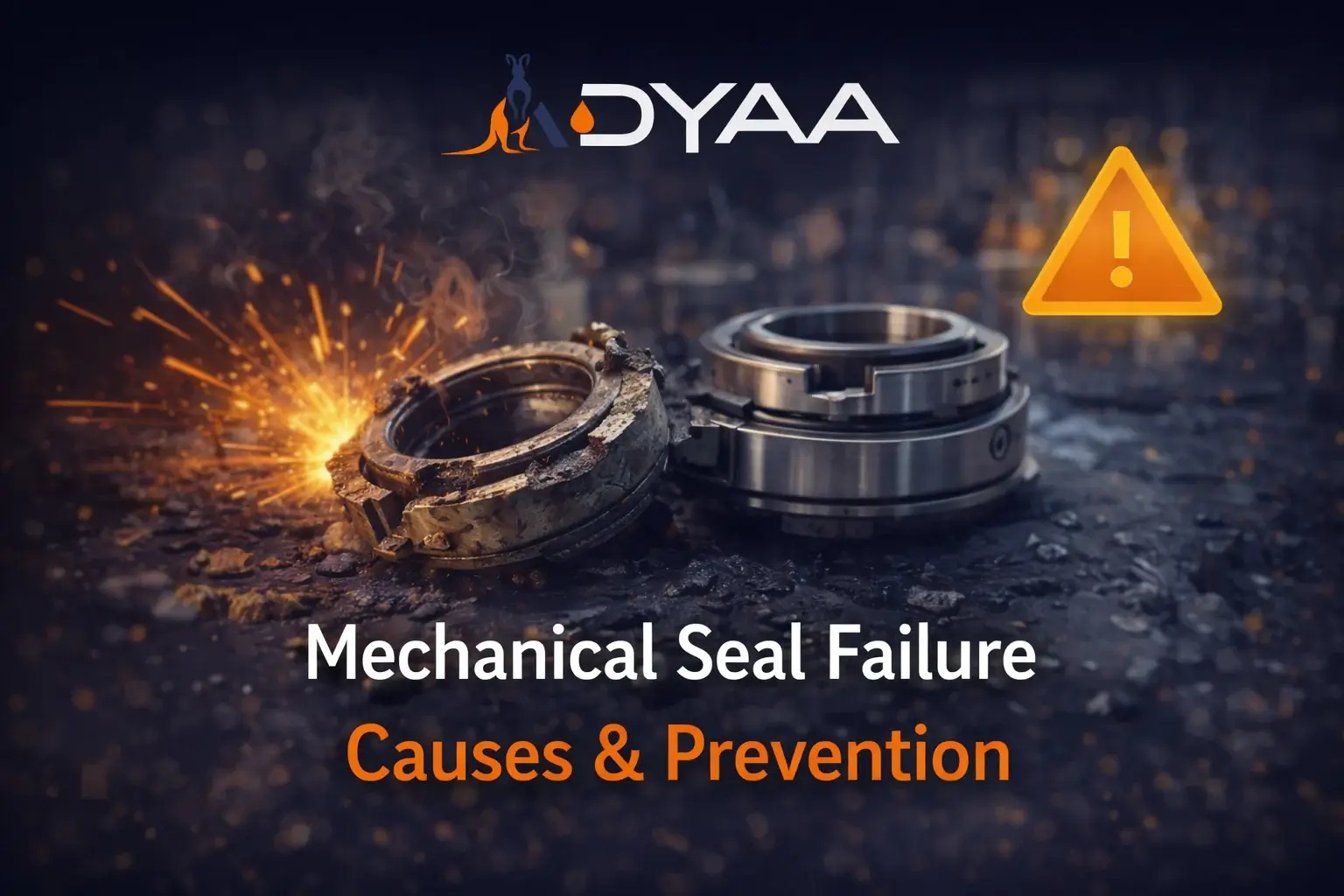
A leaking pump is a massive liability. When fluid escapes along a rotating shaft, your facility faces environmental fines, safety hazards, and immediate production losses.
Understanding Mechanical Seal Failure Causes & Prevention is the most effective way to protect your rotating equipment. Most seals do not simply wear out from old age. They are destroyed by operational errors, poor system design, or incorrect material specifications.
Here is how to identify the root cause of your pump leaks and engineer a permanent solution.
To stop chronic leaks, you must understand what is actively destroying your components inside the stuffing box.
Implementing strong Mechanical Seal Failure Causes & Prevention protocols requires moving from reactive repairs to proactive engineering.
Consider an Australian mining operation pumping highly abrasive slurry.
This simple engineering change extended the seal life from weeks to over a year, drastically improving operational profitability.
A: Running dry removes the thin fluid film between the seal faces. This causes extreme friction, severe thermal shock, and immediate cracking or melting of the seal components.
A: Look for uneven wear patterns on the seal faces or fretting (deep grooves) on the pump shaft. Excessive noise and excessive heat around the bearing housing are also early warning signs.
A: Immediate leaks usually indicate an installation error. This includes a pinched O-ring, improper spring compression, or a severely misaligned pump shaft.
You cannot accept continuous pump leaks as a normal cost of doing business. Mastering Mechanical Seal Failure Causes & Prevention allows you to identify exactly why a component is breaking down, whether it is from extreme friction, chemical attack, or shaft misalignment.
By upgrading your materials and maintaining strict installation standards, you guarantee long-term pump reliability.
Stop replacing the same failed seals month after month. If your Australian facility struggles with chronic pump leaks or premature wear, the ADYAA Engineering Team is ready to help.
Reach out to us today for expert root cause analysis, custom flush plan recommendations, and high-performance sealing upgrades designed for your exact operating conditions.