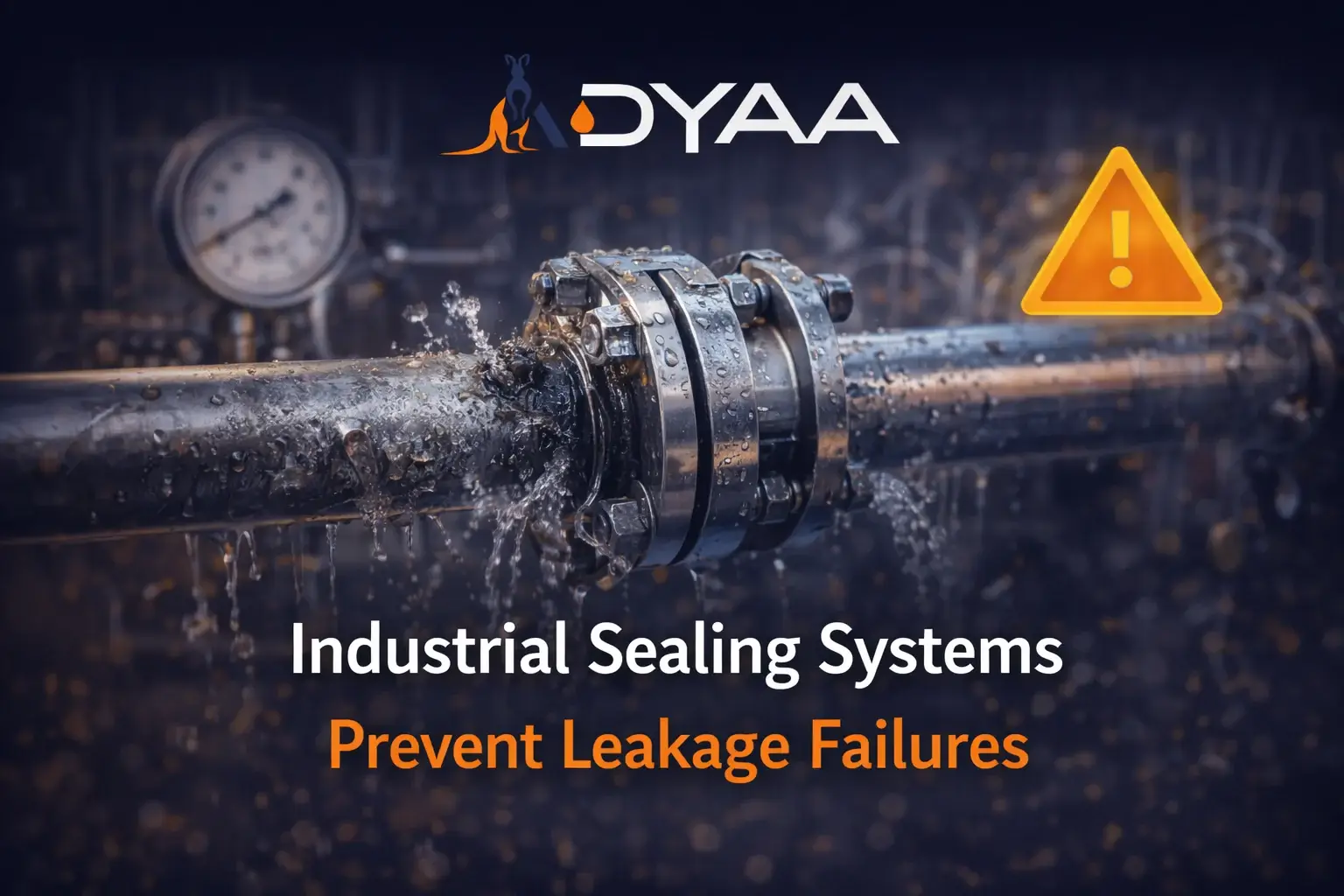
A minor drip in a high-pressure line is never just a drip. It is an early warning of a critical system breach.
When your facility handles hazardous chemicals, volatile gases, or extreme temperatures, robust industrial sealing systems prevent leakage failures and protect your entire operation from catastrophic downtime.
Seals, gaskets, and O-rings are often the least expensive components in a plant. Yet, they carry the massive responsibility of keeping fluid systems enclosed and personnel safe.
Here is how proper selection and engineering keep your facility leak-free.
Why Standard Seals Fail
Most fluid leaks are not accidents. They are the result of misaligned specifications.
Standard rubber or basic elastomer seals deteriorate quickly when exposed to the wrong environment. Understanding exactly how customized industrial sealing systems prevent leakage failures requires looking at three destructive forces:
- Chemical Attack: Aggressive solvents and acids will melt or harden incompatible seal materials.
- Thermal Degradation: Extreme heat bakes elastomers until they crack. Extreme cold makes them brittle and unable to flex.
- Pressure Extrusion: High system pressure can literally push a soft seal out of its groove, destroying the barrier.
The Right Seal for the Right Application
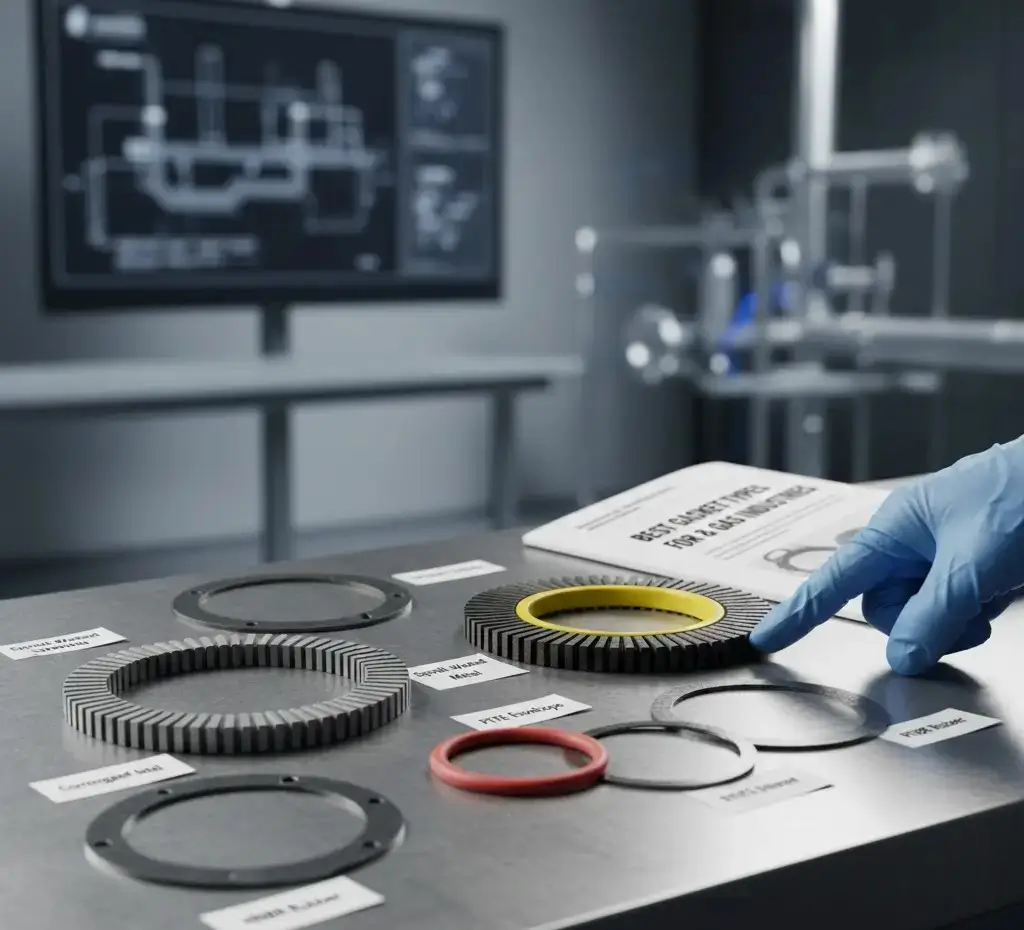
You cannot use a one-size-fits-all approach. Plant safety relies on matching the specific seal type to the mechanical movement of your equipment.
- Flange Gaskets Used for static connections, like pipe joints. Proper bolt torque and the right material (like PTFE or metallic graphite) ensure a permanent barrier against leaks.
- Mechanical Seals Used on rotating equipment, such as heavy-duty pumps. They handle dynamic friction and prevent fluids from escaping along the rotating shaft.
- High-Performance O-Rings Used in both static and dynamic applications. Choosing advanced compounds like Kalrez or Viton ensures they survive harsh chemical exposure.
Real-World Example: Australian Chemical Plant
Consider an Australian chemical processing facility transferring highly corrosive solvents.
- Initially, the plant used standard nitrile O-rings on their transfer pumps.
- The solvent degraded the nitrile within weeks, causing toxic leaks and forcing emergency shutdowns.
- The Solution: Upgrading to engineered PTFE-encapsulated seals.
The new seals easily resisted the solvent. This proves that correctly specified industrial sealing systems prevent leakage failures, saving the plant thousands in lost production and hazardous cleanup.
Integrating Seals with Pressure Safety
A seal can only do so much if your system is dangerously overpressurized.
Your sealing strategy must work alongside your safety relief devices. If pressure spikes beyond the seal’s maximum rating, a blowout is inevitable. This is why accurate [Sizing Relief Valves for Industrial Facilities] and precise [Burst Pressure Selection for Rupture Disc Safety] are mandatory.
When your relief valves and rupture discs handle the pressure spikes, your sealing systems can effectively do their job without being compromised.
People Also Ask (FAQs)
Q: What is the most common cause of mechanical seal failure?
A: The most common causes are dry running (operating a pump without fluid), severe vibration, and incorrect installation.
Q: How does temperature affect an O-ring?
A: High temperatures cause the O-ring material to swell and eventually harden, losing its elasticity. Cold temperatures make the material shrink and become brittle, breaking the seal.
Q: Can excessive pressure destroy a gasket?
A: Yes. If the system pressure exceeds the gasket’s design limit, it can cause “extrusion,” where the gasket material is physically pushed out of the flange gap.
The Bottom Line
You cannot compromise on the components that hold your process together. High-quality industrial sealing systems prevent leakage failures, saving you money on lost materials, avoiding environmental fines, and protecting your workforce. By matching the exact material and design to your specific fluid, pressure, and temperature, you guarantee long-term operational stability.
Secure Your Plant Operations with ADYAA
Are you dealing with chronic leaks or premature seal degradation? Stop treating the symptoms and fix the root cause.
Contact the ADYAA Engineering Team today for expert guidance on high-performance sealing solutions tailored for Australian industries.