When to Replace Rupture Discs in Pressure Equipment: A Maintenance Guide
When to Replace Rupture Discs in Pressure Equipment: A Maintenance Guide In the world of pressure safety, the rupture disc...
Read More →

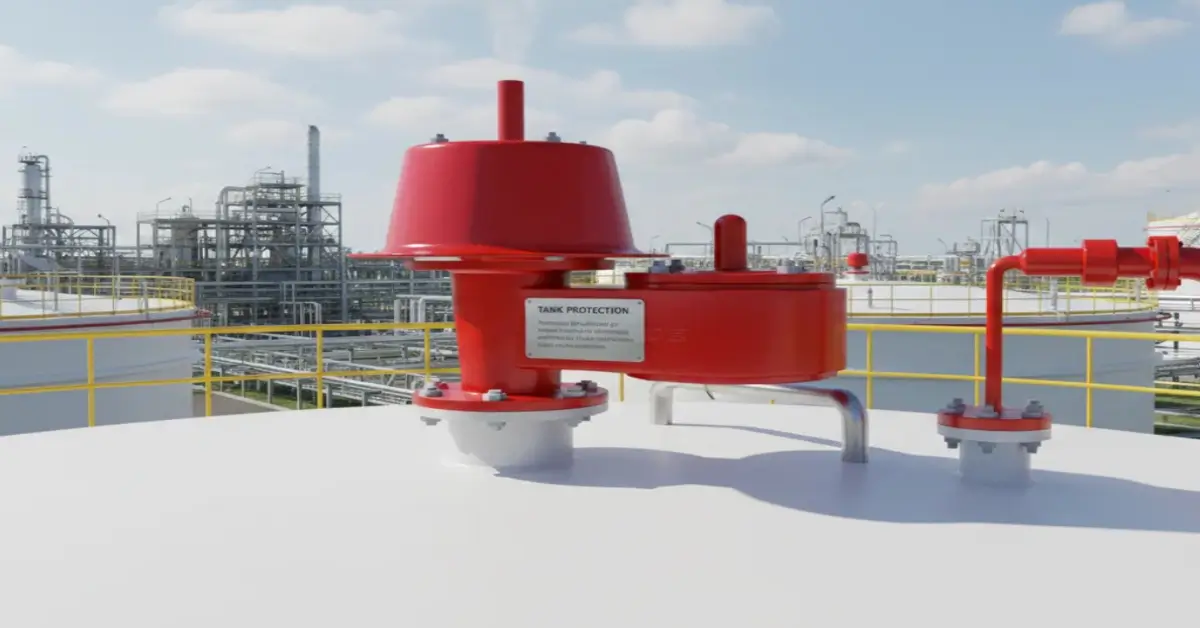
A bulk storage tank is not just a static metal box; it is a breathing lung.
As temperatures rise during the day, the liquid inside expands and vapors build up (Exhalation). At night, or when pumping liquid out, the tank cools and creates a vacuum (Inhalation). If you block this breathing process, the physics are unforgiving: the tank will either rupture from overpressure or crumple inward like a crushed soda can.
To prevent this catastrophe, engineers rely on a critical device: the Tank Protection Valve.
ADYAA supplies, we specialize in low-pressure safety systems that keep Australian storage terminals compliant and safe. In this Tank Protection Valve full guide, we will explore what these valves are, the different types available, and how to assess which one is right for your facility.
A Tank Protection Valve (often called a Breather Valve or PVRV) is a self-acting safety device mounted on the roof of a storage tank.
Its primary job is to control the pressure inside the tank.
Unlike standard safety valves which handle high pressure (bars), a Tank Protection Valve operates at very low pressures (millibars or inches of water column).
Not all tanks breathe the same way. Depending on your stored product (flammable, toxic, or harmless), you need specific equipment.
This is the standard “Breather Valve.” It handles both overpressure and vacuum in a single unit.
A PVRV handles daily breathing, but what if there is a fire surrounding the tank? The liquid boils rapidly, creating massive vapor volume that a small PVRV cannot handle.
For flammable or sensitive liquids (like methanol or food oils), you don’t want oxygen entering the tank.
Why invest in high-quality ADYAA breathing valves instead of a simple open vent?
The most obvious benefit is preventing tank failure. A collapsed tank can cost hundreds of thousands of dollars to replace, not to mention the environmental cleanup costs.
An open vent lets expensive products evaporate into the sky 24/7. A Tank Protection Valve keeps the tank sealed 95% of the time, only opening when absolutely necessary. This retains the product and saves money.
Strict EPA and Australian environmental laws limit the amount of Volatile Organic Compounds (VOCs) you can release. A tight-sealing valve significantly reduces your emissions footprint.
Selecting the right valve is not guesswork; it is a calculation based on API 2000 standards. When assessing a valve for your tank, engineers look at three main factors:
You must know the Maximum Allowable Working Pressure (MAWP) of your tank.
How fast are you filling or emptying the tank?
Is the fluid corrosive?
In the harsh Australian sun, seals dry out and pallets get stuck. You need equipment built for our climate.
ADYAA supplies and distributes robust Tank Protection Valves designed for longevity and precision. Whether you need a simple breather for a water tank or a complex nitrogen blanketing system for a chemical reactor, we have the stock and the engineering expertise to support you.
Don’t leave your storage assets exposed.