
Pressure Safety Valve: Selection and Applications
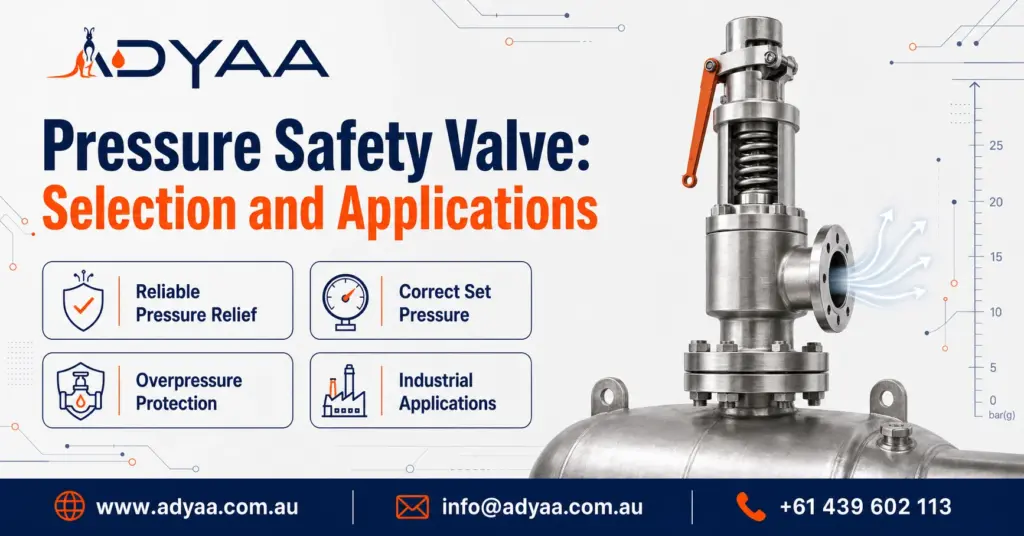
Pressure Safety Valve: Selection and Applications Industrial systems often operate under high pressure, making reliable pressure protection essential. A Pressure Safety Valve automatically releases excess pressure before it reaches unsafe levels, helping protect equipment, personnel and production processes. From pressure vessels and boilers to pipelines and storage systems, these valves play a critical role in maintaining safe and efficient industrial operations. What Is a Pressure Safety Valve? A Pressure Safety Valve is a mechanical safety device designed to automatically open when system pressure exceeds a predetermined set point. Once the pressure returns to a safe operating range, the valve closes automatically, allowing the system to continue operating normally. Pressure safety valves are commonly installed on pressure vessels, boilers, compressors, pipelines and process equipment where overpressure could damage assets or interrupt production. Why Pressure Safety Valves Matter Pressure safety valves are a key component of industrial pressure protection systems. Protect Equipment Prevent excessive pressure from damaging valuable industrial assets. Improve Plant Safety Help reduce the risks associated with overpressure conditions. Reduce Downtime Minimise equipment failures and unexpected production interruptions. Support Regulatory Compliance Assist industries in meeting recognised pressure protection practices. Maintain Process Stability Keep pressure within safe operating limits during process fluctuations. Extend Equipment Life Reduce stress on equipment and improve long-term reliability. How a Pressure Safety Valve Works Although designs vary, most pressure safety valves follow the same operating principle. The valve remains closed during normal operating conditions. System pressure gradually increases. When the preset pressure is reached, the valve automatically opens. Excess pressure is safely discharged. Once pressure returns to an acceptable level, the valve reseats and closes. This automatic operation helps protect both equipment and personnel without requiring manual intervention. Types of Pressure Safety Valves Different industrial applications require different valve designs. Spring Loaded Safety Valves The most common design, using a calibrated spring to control the opening pressure. Pilot Operated Safety Valves Designed for high-pressure applications requiring accurate pressure control and reduced leakage. Threaded Safety Valves Suitable for compact process systems and smaller pipe sizes. Flanged Safety Valves Used in larger industrial installations where higher flow capacity is required. Hygienic Safety Valves Designed for food, beverage and pharmaceutical applications requiring sanitary construction. Cryogenic Safety Valves Used in low-temperature applications involving liquefied gases and cryogenic systems. Pressure Safety Valve vs Pressure Relief Valve Although the terms are often used interchangeably, there are operational differences. Feature Pressure Safety Valve Pressure Relief Valve Primary Purpose Protect against overpressure Control excess system pressure Opening Action Opens rapidly at set pressure Opens gradually as pressure increases Typical Applications Steam, gas and compressed air Liquid systems Closing Action Automatically reseats Gradually closes as pressure decreases Selecting the correct valve depends on the process media, operating conditions and application requirements. Where Pressure Safety Valves Are Used Pressure safety valves protect a wide range of industrial processes. Oil & Gas Protect pipelines, separators and pressure vessels operating under high pressure. Chemical Processing Prevent excessive pressure in reactors, tanks and processing equipment. Manufacturing Protect compressed air systems, hydraulic equipment and industrial machinery. Food & Beverage Maintain pressure protection in hygienic processing systems. Pharmaceutical Support controlled pressure conditions during production processes. Power Generation Protect boilers, steam systems and pressure vessels. Water & Wastewater Safeguard pumps, pipelines and pressure systems. Mining Protect high-pressure process equipment operating in demanding environments. Pressure Safety Valve Selection Checklist Before selecting a pressure safety valve, consider the following: ✔ Operating pressure ✔ Set pressure ✔ Process media ✔ Flow capacity ✔ Operating temperature ✔ Valve connection type ✔ Material compatibility ✔ Installation orientation ✔ Industry standards ✔ Maintenance requirements Selecting the correct valve improves both operational reliability and long-term equipment protection. Common Mistakes When Selecting Pressure Safety Valves Improper valve selection can affect both safety and performance. Common mistakes include: Selecting an incorrect pressure setting Choosing the wrong valve size Ignoring process media compatibility Using unsuitable materials Incorrect installation Delaying inspection and maintenance Overlooking discharge capacity requirements Working with experienced pressure protection specialists helps minimise these risks. Why Pressure Safety Valves Are Important Overpressure events can occur unexpectedly due to equipment failures, thermal expansion, blocked outlets or control system malfunctions. A properly selected Pressure Safety Valve provides automatic protection, helping reduce equipment damage, production losses and maintenance costs while supporting safer plant operations. Why Choose ADYAA? ADYAA supplies pressure protection solutions for industrial applications across Australia. Comprehensive Pressure Protection Solutions Safety Valves, Rupture Discs, Tank Protection Systems and related accessories. Technical Product Selection Support in selecting valves based on process conditions and industry requirements. Quality Industrial Products Solutions designed for reliable performance in demanding environments. Industry Experience Supporting a wide range of industrial process applications. Australia-wide Support Reliable assistance for industries across Australia. Long-Term Performance Helping improve operational safety, equipment protection and process reliability. Frequently Asked Questions What is a Pressure Safety Valve? A Pressure Safety Valve automatically releases excess pressure to protect industrial equipment from overpressure conditions. Where are Pressure Safety Valves used? They are commonly used in boilers, pressure vessels, pipelines, compressors and industrial process equipment. What causes a Pressure Safety Valve to open? The valve opens automatically when system pressure exceeds its preset operating pressure. What is the difference between a Pressure Safety Valve and a Relief Valve? Safety valves generally open rapidly for gas or steam applications, while relief valves usually open progressively for liquid systems. How often should Pressure Safety Valves be inspected? Inspection intervals depend on operating conditions, industry standards and maintenance programs. How do I choose the right Pressure Safety Valve? Selection depends on operating pressure, process media, temperature, flow capacity, material compatibility and applicable industry standards. A Pressure Safety Valve is one of the most important components of any industrial pressure protection system. Choosing the right valve helps improve process safety, protect valuable equipment and maintain reliable plant operations. ADYAA supplies industrial pressure safety solutions designed to support a wide range of process applications across Australia. Need help selecting the right Pressure Safety Valve? Our team can help you choose the right pressure protection
How to Size a Pressure Relief Valve: Key Factors Engineers Must Consider
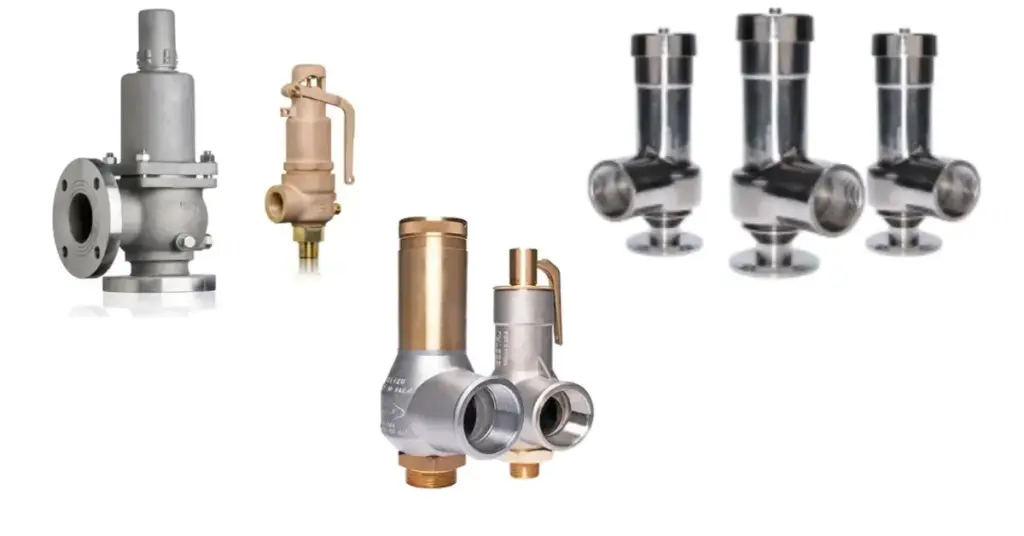
How to Size a Pressure Relief Valve: Key Factors Engineers Must Consider In process engineering, “bigger” is not always better. When you need to Size a Pressure Relief Valve , the stakes are incredibly high. Undersize the valve: It won’t release pressure fast enough, leading to potential vessel rupture or explosion. Oversize the valve: It will open, release too much pressure too quickly, slam shut, and then pop open again. This is called Valve Chatter, and it can destroy the valve seat and piping in seconds. Sizing isn’t just about picking a pipe size that matches your tank nozzle. It is a precise calculation governed by codes like ASME Section VIII and API 520. ADYAA supplies, engineering team that supports clients with complex sizing scenarios every day. Below, we break down the 4 critical steps you must follow to correctly Size a Pressure Relief Valve for your application. 1. Establish the Set Pressure (and MAWP) The first number you need is the MAWP (Maximum Allowable Working Pressure) of the vessel you are protecting. Your Set Pressure (the point where the valve starts to open) must never exceed the MAWP. Rule of Thumb: Most engineers set the relief valve at exactly the MAWP. Operating Margin: You need a gap between your normal operating pressure and the set pressure. If they are too close (e.g., operating at 95 bar with a set pressure of 100 bar), the valve will “simmer” or leak constantly. Aim for a 10% differential. Key takeaway: To correctly Size a Pressure Relief Valve, ensure your normal operating pressure is at least 10% below the set pressure to prevent nuisance leakage. 2. Determine the Required Relieving Capacity This is the most difficult step. You must ask: “What is the worst-case scenario?” You don’t size a valve for normal flow; you size it for the catastrophe. Common scenarios include: Blocked Discharge: A valve downstream closes inadvertently while pumps are running. External Fire: Fire heats the tank, causing the liquid inside to boil and expand rapidly. Thermal Expansion: A pipe full of liquid heats up in the sun. You must calculate exactly how much fluid (kg/hr or L/min) needs to escape to keep the pressure from rising more than 10% or 21% above the MAWP (depending on the code). 3. Identify the Fluid State (Gas vs. Liquid) The physical state of the medium dictates the valve design and the formula used to Size a Pressure Relief Valve. Gas/Steam (Compressible): You are dealing with volume expansion. You need a valve with a “Pop” action for rapid release. The sizing formula relies heavily on the gas temperature and molecular weight. Liquid (Incompressible): You are dealing with hydraulic pressure. You need a standard Relief Valve. Sizing is based on viscosity and specific gravity. The Trap: Be careful with Two-Phase Flow (mixture of gas and liquid). This requires complex sizing calculations (API 520 Part I) because the gas expands while the liquid drags, creating a “choking” effect in the nozzle. 4. Account for Backpressure Where does the fluid go when the valve opens? Atmosphere: If it vents to open air, backpressure is usually zero. Header System: If it vents into a long pipe shared by other valves, there is “Backpressure” pushing back against the valve. Why it matters: Standard safety valves are affected by backpressure. If the backpressure in the discharge pipe varies by more than 10% of the set pressure, it will force the valve to stay closed when it should open. To properly Size a Pressure Relief Valve in a closed loop, you may need a Balanced Bellows design (which shields the spring from backpressure) or a Pilot-Operated Valve. Conclusion: Precision is Safety There is no room for guesswork. A valve that is sized incorrectly is a liability, not a safeguard. To Size a Pressure Relief Valve correctly, you need accurate data: MAWP, worst-case flow scenarios, fluid properties, and backpressure data. ADYAA, we don’t just sell valves; we verify the application. Our engineers can help you review your process conditions to ensure the valve you buy is the valve that will save your plant. Need sizing support? Browse ADYAA Pressure Relief Valves Contact our Engineering Team today. How Industrial Automation Sensors Improve Automation & Efficiency in Manufacturing How Industrial Automation Sensors Improve Automation & Efficiency in Manufacturing In modern manufacturing, efficiency, accuracy, and reliability are more important… Read More → How Vision & Imaging Sensors Transform Automated Inspection Systems How Vision & Imaging Sensors Transform Automated Inspection Systems Maintaining product quality while keeping up with high-speed production is crucial…. Read More → IoT and Automation in Industrial Operations: Boost Efficiency, Safety, and Reliability IoT and Automation in Industrial Operations: Boost Efficiency, Safety, and Reliability Discover how IoT and automation revolutionize industrial operations. Improve… Read More →