
What Additional Substances Are Used for Effective Gasket Sealing?
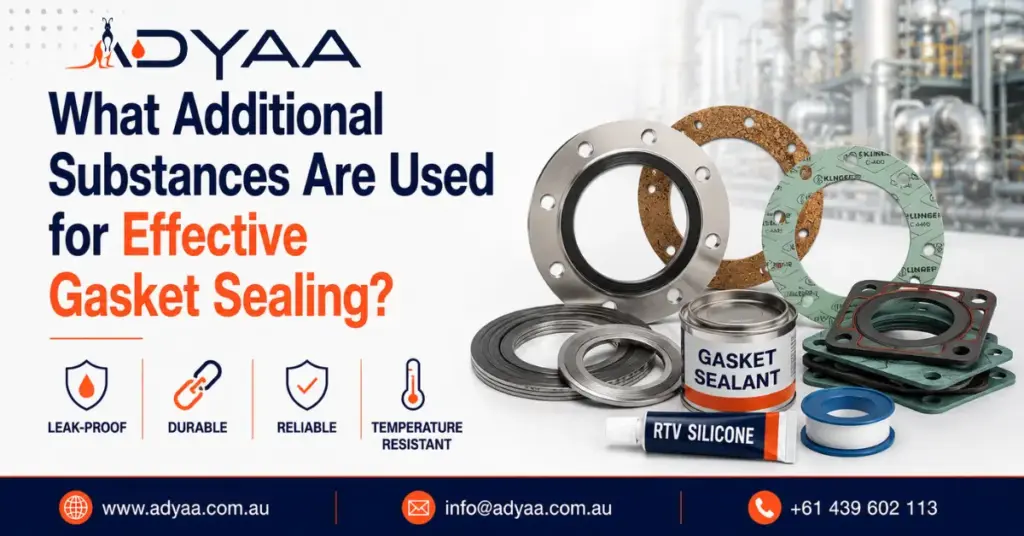
What Additional Substances Are Used for Effective Gasket Sealing? A gasket is designed to seal two mating surfaces and prevent leakage under pressure, temperature and varying process conditions. In many applications, the gasket alone performs exactly as intended. However, certain operating environments demand additional support to maintain a reliable seal over time. The important question isn’t “Which sealant should I use?”—it’s “Does this application actually need one?” Using the wrong sealing compound, applying excessive sealant or relying on additional materials to compensate for poor installation can create more problems than it solves. Understanding where these products fit into gasket sealing helps improve equipment reliability, reduce maintenance and minimise unexpected downtime. When Should Additional Sealing Substances Be Used? Additional sealing products are usually considered when operating conditions place extra stress on the gasket or sealing surface. Common situations include: High operating temperatures High-pressure systems Slightly worn or imperfect flange surfaces Aggressive chemicals Steam applications Frequent equipment maintenance Corrosive environments For example, a chemical processing plant handling aggressive media may require a chemically compatible sealing compound, while a steam pipeline operating at elevated temperatures may benefit from graphite-based lubricants on fasteners to maintain consistent bolt preload. The choice always depends on the process—not simply on the gasket. Common Substances That Support Gasket Sealing Gasket Sealants Gasket sealants are applied as a thin coating to improve contact between the gasket and flange surfaces. They help compensate for minor surface imperfections but should never replace proper flange preparation or correct gasket selection. They are commonly used in: Pumps Gearboxes Compressors Process pipe flanges Applying more sealant does not create a better seal. In many cases, excessive sealant can squeeze into the process line and contaminate equipment. PTFE Tape PTFE tape is one of the most recognised sealing materials, but it is frequently misunderstood. It is intended for threaded pipe connections—not flat gasket faces. Typical applications include: Instrumentation fittings Threaded valves Pipe threads Pneumatic connections Using PTFE tape on flange gasket surfaces is generally not recommended because the gasket is already designed to provide the sealing function. Anti-Seize Compounds Anti-seize compounds are applied to bolts, studs and fasteners rather than the gasket itself. Their purpose is to: Prevent thread galling Reduce corrosion Improve bolt tightening consistency Simplify future maintenance Uniform bolt loading is one of the most important factors in achieving reliable industrial gasket sealing. Graphite Lubricants Graphite lubricants are commonly selected for high-temperature applications where conventional lubricants may degrade or lose their effectiveness. They are widely used in: Boilers Steam systems Thermal processing equipment High-temperature pipework These lubricants help maintain consistent fastening performance during repeated maintenance cycles. Application-Specific Sealing Compounds Certain industries require specialised sealing products designed for specific operating conditions. Examples include: Food-grade sealing compounds Chemical-resistant sealants Oil and gas sealing compounds Pharmaceutical-approved sealing materials Selecting the correct product requires considering the process media, operating temperature, pressure and gasket material. When Additional Sealants Should NOT Be Used One of the biggest misconceptions in industrial maintenance is that adding more sealant automatically improves sealing performance. In reality, additional sealing compounds may be unnecessary when: Flange faces are clean and undamaged. The correct gasket material has been selected. Bolts are tightened correctly. The manufacturer’s installation recommendations are followed. Modern industrial gaskets, including PTFE, graphite and spiral wound gaskets, are often designed to perform without additional sealants. Common Mistakes That Cause Gasket Failure Many sealing failures occur during installation rather than because of the gasket itself. Some of the most common mistakes include: Applying excessive gasket sealant Mixing incompatible sealing compounds Using PTFE tape on flange faces Reusing compressed gaskets Ignoring damaged flange surfaces Uneven bolt tightening Selecting the wrong gasket material Following recognised installation practices, such as ASME PCC-1 bolt tightening guidelines where applicable, can significantly improve sealing reliability. Choosing the Right Sealing Solution Before selecting any additional sealing substance, ask these questions: What fluid is being sealed? Is the media chemically aggressive? What are the operating temperature and pressure? What gasket material is being used? Is the flange surface in good condition? Will the equipment be dismantled regularly? These answers often determine whether the gasket alone is sufficient or whether supporting sealing materials are beneficial. Sealing Material Best Used For Avoid When Gasket Sealant Minor flange imperfections Good flange surfaces with modern gasket materials PTFE Tape Threaded connections Flat gasket joints Anti-Seize Compound Bolts and fasteners Gasket sealing surfaces Graphite Lubricant High-temperature bolting Low-temperature general applications Frequently Asked Questions Can gasket sealant replace a damaged gasket? No. Sealants are designed to support gasket performance, not compensate for damaged or incorrectly selected gaskets. Is PTFE tape suitable for flange connections? Generally no. PTFE tape is intended for threaded fittings rather than gasket sealing surfaces. Can too much gasket sealant cause leaks? Yes. Excess sealant may interfere with gasket compression or enter the process system. Which industries commonly use additional sealing substances? Chemical processing, oil & gas, food manufacturing, pharmaceutical production, power generation and water treatment frequently use specialised sealing products. How can gasket sealing performance be improved? Selecting the correct gasket material, preparing flange surfaces properly, tightening bolts evenly and using additional sealing products only when required provides the most reliable results. Final Thoughts Reliable gasket sealing is rarely achieved by adding more sealing compounds. It begins with selecting the correct gasket material, understanding the operating conditions and following good installation practices. Additional substances such as gasket sealants, PTFE tape, anti-seize compounds and graphite lubricants each have a specific purpose. When selected correctly, they help improve sealing performance and reduce maintenance. When used incorrectly, they can create unnecessary reliability issues. Rather than treating every application the same, evaluate the process conditions, media compatibility and equipment design before deciding whether additional sealing materials are required. Industrial facilities handling demanding process conditions often benefit from using high-quality industrial gaskets, compatible sealing solutions and correctly selected instrumentation to improve long-term equipment reliability. ADYAA supports industries across Australia with a comprehensive range of industrial sealing products, helping maintenance teams and engineers choose solutions that match their application rather