Flow Measurement Solutions for Industrial Processes
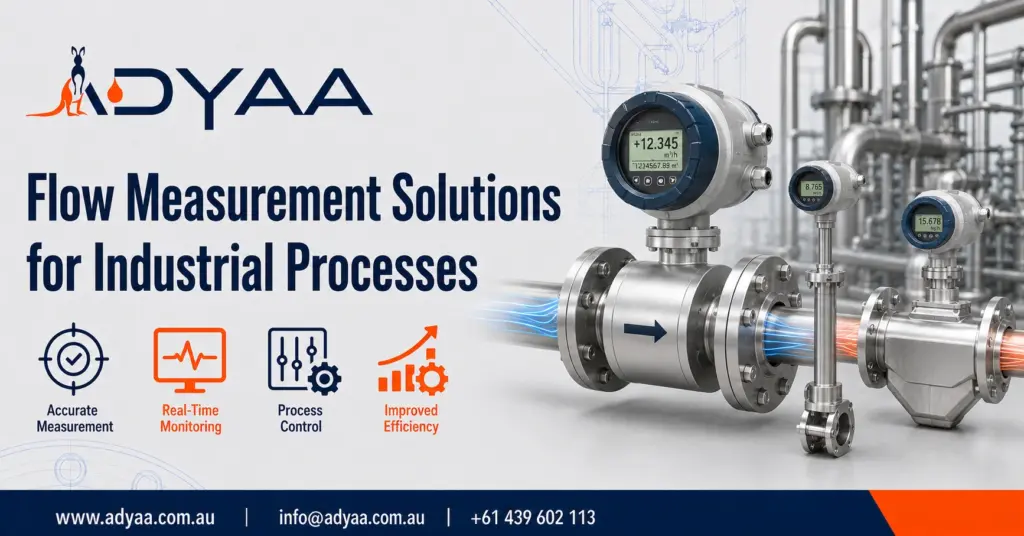
Flow Measurement Solutions for Industrial Processes Accurate flow measurement is essential for maintaining efficient industrial operations. Whether monitoring water, chemicals, steam, fuel or gases, reliable Flow Measurement Solutions help businesses improve process control, optimise resource consumption and maintain product quality. From manufacturing facilities to water treatment plants, selecting the right flow measurement technology supports better operational decisions while reducing waste and unnecessary downtime. What Are Flow Measurement Solutions? Flow measurement solutions include the instruments and technologies used to measure the movement of liquids, gases and steam within industrial processes. These solutions provide continuous flow data that helps operators monitor production, manage resources and improve overall process performance. Modern flow measurement systems can also integrate with PLC, SCADA and distributed control systems, providing real-time information for automated process control. Why Flow Measurement Matters? Reliable flow measurement supports safer and more efficient industrial operations. Improve Process Efficiency Monitor flow continuously to optimise production and reduce waste. Increase Measurement Accuracy Accurate flow data supports consistent process performance. Reduce Operating Costs Identify product losses and inefficient process conditions. Improve Product Quality Maintain consistent flow throughout manufacturing processes. Support Automation Provide reliable data for PLC, SCADA and industrial control systems. Better Resource Management Monitor water, chemicals, fuel and energy usage more effectively. How Flow Measurement Works Although different technologies are used, the measurement process follows a similar sequence. The flow meter detects the movement of liquid, gas or steam. Sensors measure the flow characteristics. The instrument converts the measurement into an electrical signal. The data is transmitted to a monitoring or control system. Operators use the information to monitor and optimise the process. Continuous monitoring helps improve efficiency and process stability. Common Flow Measurement Technologies Different industrial applications require different measurement principles. Electromagnetic Flow Meters Ideal for conductive liquids such as water, wastewater and chemicals. Coriolis Flow Meters Provide highly accurate mass flow measurement for liquids and gases. Ultrasonic Flow Meters Measure flow using ultrasonic signals without restricting the process. Vortex Flow Meters Suitable for measuring steam, gases and industrial liquids. Turbine Flow Meters Offer reliable measurement for clean liquid applications. Variable Area Flow Meters Simple and cost-effective solutions for low-flow industrial processes. Flow Measurement Technology Comparison Technology Best For Common Industries Electromagnetic Conductive Liquids Water & Wastewater Coriolis High Accuracy Mass Flow Chemical, Food & Beverage Ultrasonic Clean Liquids Water Treatment Vortex Steam and Gas Power Generation Turbine Clean Liquids Manufacturing Variable Area Low Flow Applications General Industry Where Flow Measurement Solutions Are Used Flow measurement supports a wide range of industries. Water & Wastewater Monitor water distribution, treatment and wastewater processes. Oil & Gas Measure hydrocarbons, fuels and process fluids. Chemical Processing Control dosing systems and chemical transfer processes. Food & Beverage Maintain accurate ingredient and product flow. Pharmaceutical Support precise manufacturing and quality control. Mining Monitor slurry, chemicals and water movement. Power Generation Measure steam, cooling water and utility systems. Manufacturing Improve production efficiency through continuous monitoring. Flow Measurement Selection Checklist Before selecting a flow measurement solution, consider: ✔ Type of fluid ✔ Flow range ✔ Operating pressure ✔ Operating temperature ✔ Pipe size ✔ Measurement accuracy ✔ Installation location ✔ Communication protocol ✔ Output signal ✔ Maintenance requirements Selecting the right technology improves reliability and long-term performance. Common Mistakes When Choosing Flow Measurement Solutions Common selection mistakes include: Choosing the wrong flow meter technology Ignoring fluid characteristics Incorrect sizing Poor installation practices Ignoring pressure loss Overlooking maintenance requirements Focusing only on initial cost A proper application assessment helps avoid these issues. Why Accurate Flow Measurement Matters Accurate flow measurement helps industries improve operational efficiency, reduce waste and optimise production processes. Reliable measurement data also supports preventive maintenance, better energy management and more informed operational decisions. Why Choose ADYAA? ADYAA supplies reliable flow measurement solutions for industrial applications across Australia. Comprehensive Flow Measurement Portfolio Electromagnetic, Coriolis, Ultrasonic, Vortex and Turbine Flow Meters. Technical Expertise Support in selecting the right flow measurement technology. Quality Industrial Products Reliable solutions from globally recognised manufacturers. Automation Ready Compatible with PLC, SCADA and process control systems. Australia-wide Support Technical assistance for industries across Australia. Long-Term Reliability Helping businesses improve efficiency through accurate flow measurement. Frequently Asked Questions What are Flow Measurement Solutions? Flow measurement solutions include instruments used to measure the flow of liquids, gases and steam in industrial processes. Which flow meter is best? The best solution depends on the application, process fluid, operating conditions and required measurement accuracy. Where are flow measurement systems used? They are widely used in water treatment, manufacturing, mining, oil & gas, food processing, chemical plants and power generation. Can flow meters integrate with automation systems? Yes. Most modern flow meters support integration with PLC, SCADA and DCS systems. Do flow meters require calibration? Routine calibration helps maintain measurement accuracy and long-term performance. How do I choose the right flow measurement solution? Consider the process fluid, operating conditions, accuracy requirements, installation environment and communication needs. Reliable Flow Measurement Solutions help industries improve process control, reduce operating costs and maintain accurate production data. Choosing the right flow measurement technology ensures efficient operations while supporting long-term equipment performance. ADYAA supplies industrial flow measurement solutions across Australia, helping businesses select technologies that match their applications and operational requirements. Looking for the right Flow Measurement Solution? Our specialists can help you choose the most suitable flow measurement technology for your industry and application. Talk to a Flow Measurement Expert Gems 3100/3200 Pressure Transmitters : Complete Guide – Copy Flow Measurement Solutions for Industrial Processes Accurate flow measurement is essential for maintaining efficient industrial operations. Whether monitoring water, chemicals,… Read More → Industrial HVAC vs Commercial HVAC: What is the Difference? Industrial HVAC vs Commercial HVAC: Why Equipment Choice Matters If you walk onto the roof of a shopping mall and… Read More → How Industrial Automation Sensors Improve Manufacturing Efficiency How Industrial Automation Sensors Improve Efficiency in Manufacturing Efficiency is the primary metric of success. The difference between a profitable… Read More →
Gems 3100/3200 Pressure Transmitters : Complete Guide
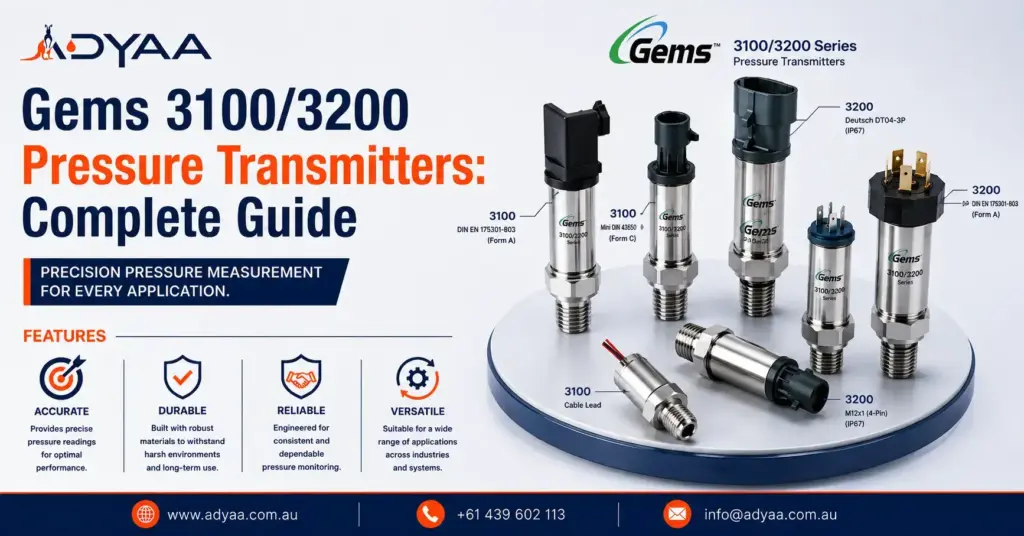
Gems 3100/3200 Pressure Transmitters: Complete Guide Accurate pressure monitoring is essential across industrial environments where process visibility, operational consistency and system performance matter. Selecting the right Pressure Transmitters can support reliable measurement, better integration and improved operational awareness. Whether you are evaluating a new installation or comparing an industrial pressure sensing solution, understanding application requirements is the first step. This guide explains what Gems 3100/3200 Pressure Transmitters are, how they work, selection considerations and practical applications across industrial environments. What Are Gems 3100/3200 Pressure Transmitters ? Gems 3100/3200 Pressure Transmitters are industrial devices designed to convert pressure into electrical output signals that can be interpreted by monitoring and control systems. Pressure Transmitters are widely used where continuous measurement and process visibility are important. Typical environments include: Industrial process applications Water and fluid systems Manufacturing equipment Hydraulic systems Automation environments OEM machinery Their purpose is simple: Measure pressure → convert into signal → support operational decisions. Why Pressure Transmitters Selection Matters Selecting a pressure transmitter involves more than choosing a pressure range. A well-selected industrial pressure Transmitters may support: Better process visibility Reliable pressure monitoring Easier system integration Improved operational awareness More consistent measurements Selecting equipment without considering the application may create: Unstable readings Increased maintenance Reduced measurement confidence Process inefficiencies For example: A production line operating under changing conditions may require a different pressure-sensing approach than a stable water application. 5 Factors to Consider Before Selecting Gems 3100/3200 Pressure Transmitters 1. Understand Operating Pressure Conditions Review: Normal operating pressure Peak conditions Temporary fluctuations Selecting the appropriate range supports measurement consistency. 2. Evaluate Process Compatibility Industrial processes vary. Consider: Water applications Process liquids Hydraulic fluids Industrial operating environments Review process requirements before selecting instrumentation. 3. Confirm Integration Requirements Pressure Transmitters should align with existing infrastructure. Typical environments include: PLC systems SCADA platforms Control systems Industrial monitoring systems System compatibility should always be evaluated before implementation. 4. Assess Environmental Conditions Environmental conditions influence performance. Evaluate: Temperature exposure Installation environment Moisture conditions Mechanical vibration Example: Outdoor industrial environments may have different requirements compared with controlled indoor installations. 5. Plan for Long-Term Operation Selection should support long-term use. Review: Accessibility Maintenance requirements Inspection schedules Operational continuity Reliable measurement starts with selecting solutions suitable for the application lifecycle. Common Applications of Gems 3100/3200 Pressure Transmitters Water Management Supports pressure visibility across fluid systems. Industrial Equipment Helps maintain process awareness. Hydraulic Systems Supports pressure monitoring under changing operating conditions. Manufacturing Applications Improves measurement visibility across production environments. Example: Selecting Pressure Transmitters for a Manufacturing Process Imagine a production environment operating multiple pressure zones. The engineering team reviews: ✔ Pressure requirements ✔ Environmental conditions ✔ Integration requirements ✔ Maintenance expectations Instead of selecting based only on specifications, they evaluate operating requirements first. This approach often supports better long-term outcomes. Best Practices for Pressure Monitoring To improve measurement performance: Select the correct operating range Confirm process compatibility Install according to requirements Perform periodic inspection Review operating conditions regularly Reliable monitoring combines appropriate selection with good operating practices. Frequently Asked Questions What are Gems 3100/3200 Pressure Transmitters used for? They are used to measure pressure and provide electrical signals for industrial monitoring and control applications. How do I select the correct pressure transducer? Review operating pressure, application requirements, environmental conditions and system compatibility. Can pressure transducers be used in water applications? Pressure Transmitters are commonly applied in industrial water environments depending on operating conditions. What industries commonly use pressure Transmitters ? Manufacturing, industrial automation, water systems and hydraulic applications commonly use pressure Transmitters . How often should pressure Transmitters be inspected? Inspection intervals vary depending on operating conditions and maintenance practices. Final Thoughts Selecting the correct pressure sensing solution requires more than reviewing technical specifications. Gems 3100/3200 Pressure Transmitters may be considered where pressure visibility, operational consistency, and industrial integration are important. Before final selection, evaluate operating requirements, installation conditions, and system compatibility to support long-term performance. Explore product details Electromagnetic Flow Meter for Distilled Water Applications – Copy Gems 3100/3200 Pressure Transmitters: Complete Guide Accurate pressure monitoring is essential across industrial environments where process visibility, operational consistency and… Read More → Dry Type Water Meters for Accurate Water Measurement Dry Type Water Meters: Why They Remain a Preferred Choice for Accurate Water Measurement Accurate water measurement is the foundation… Read More → Electromagnetic Flow Meter for Distilled Water Applications Electromagnetic Flow Meter for Distilled Water Applications Can an Electromagnetic Flow Meter Be Used for Distilled Water? Electromagnetic (Mag) flow… Read More →
Gems 3510 Pressure Transmitter: Complete Selection Guide
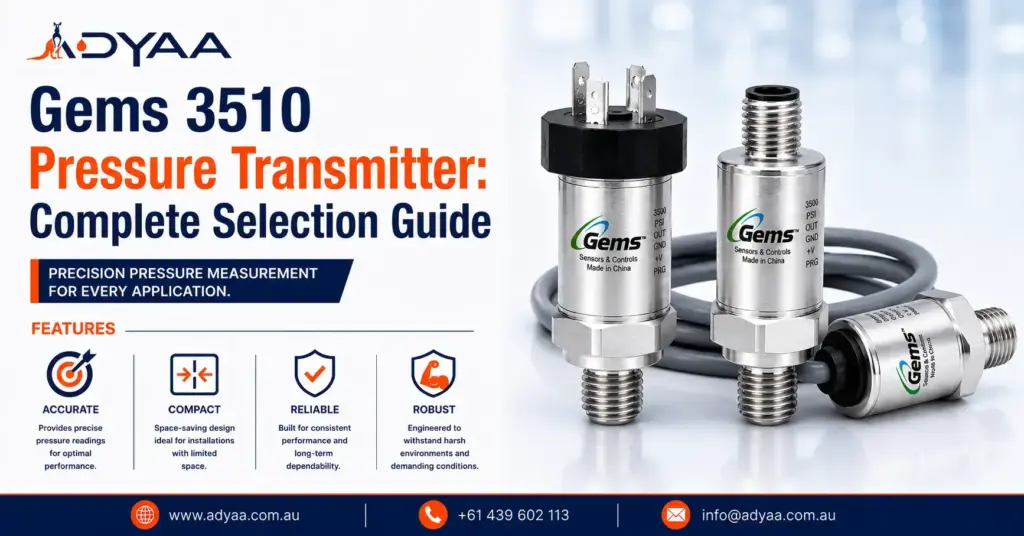
Gems 3510 Pressure Transmitter: Complete Selection Guide Accurate pressure monitoring plays an important role in industrial performance, process visibility and operational consistency. Selecting the right Pressure Transmitter can help improve measurement reliability, support system integration and contribute to more efficient process control. Whether you are evaluating an industrial pressure transmitter, upgrading an existing setup or comparing a pressure measurement solution, understanding selection criteria is essential. This guide explains how to evaluate the Gems 3510 Pressure Transmitter, where it may be applied and what factors to consider before making a decision. What Is a Gems 3510 Pressure Transmitter? The Gems 3510 Pressure Transmitter is designed to convert measured pressure into an output signal that can be used by industrial monitoring and control systems. Pressure transmitters are widely used to support operational monitoring and maintain process visibility across multiple industries. Typical application environments include: Industrial process systems Water and fluid applications Manufacturing environments Hydraulic systems Automation systems OEM equipment As a process pressure transmitter, its purpose is to convert process pressure into usable measurement data. Why Pressure Transmitter Selection Matters Choosing the right transmitter involves more than selecting a specification range. A properly selected pressure monitoring system may support: Improved process visibility More consistent measurements Better operational awareness Easier maintenance planning Reliable system integration Incorrect selection may lead to: Measurement instability Frequent maintenance intervention Reduced operational confidence Increased troubleshooting time For example: A water circulation process may require different pressure measurement conditions compared with a hydraulic production environment. Understanding the application should always come before selecting equipment. 5 Factors to Consider Before Selecting a Gems 3510 Pressure Transmitter 1. Understand the Operating Pressure Range Start by identifying: Normal operating pressure Maximum pressure Temporary surge conditions Selecting an unsuitable range may influence performance. Example: Operating within the normal measurement range instead of near limits may help maintain stable readings. 2. Evaluate Process Media Compatibility Industrial environments operate under different conditions. Consider: Water applications Industrial liquids Hydraulic fluids Process environments Questions to review: What media will be measured? Are environmental conditions stable? Is material compatibility suitable? Selection based on actual operating requirements generally supports better long-term outcomes. 3. Confirm System Integration Requirements Before installation, verify compatibility with: PLC systems SCADA environments Industrial control systems Monitoring platforms An industrial instrumentation setup performs best when devices communicate effectively across the system. 4. Review Environmental Conditions Pressure transmitters often operate in demanding industrial environments. Evaluate: Temperature exposure Moisture conditions Mechanical vibration Installation location Example: Outdoor applications may have different requirements compared with indoor control systems. 5. Consider Lifecycle and Maintenance Selection should support long-term operation. Review: Installation access Service requirements Inspection schedules Operational continuity Selecting a transmitter that supports ongoing maintenance can simplify long-term management. Common Applications of Gems 3510 Pressure Transmitter The Gems 3510 Pressure Transmitter may support several industrial environments. Water Management Systems Pressure monitoring may help improve operational visibility across fluid applications. Manufacturing Equipment Supports measurement awareness across industrial processes. Hydraulic Applications Provides pressure visibility under changing operating conditions. Industrial Automation Supports broader monitoring and operational control environments. Example: Selecting a Pressure Measurement Solution Imagine an industrial facility operating a closed-loop water process. The engineering team evaluates: ✔ Pressure range ✔ Environmental conditions ✔ Process requirements ✔ Integration compatibility Instead of selecting based only on specifications, they evaluate actual operating conditions. This approach may contribute to more reliable measurement outcomes. Best Practices for Better Pressure Measurement To improve long-term measurement performance: Select the correct operating range Verify process compatibility Follow installation recommendations Schedule periodic inspection Review operating conditions regularly The right pressure transmitter applications strategy combines correct selection with suitable operating practices. Frequently Asked Questions What is a Gems 3510 Pressure Transmitter used for? The Gems 3510 Pressure Transmitter is used to measure pressure and provide output signals for monitoring and industrial control environments. How do I choose the correct pressure transmitter? Evaluate operating pressure, environmental conditions, media compatibility and system integration requirements. Can pressure transmitters be used in water applications? Pressure transmitters are commonly applied in industrial water systems depending on operating requirements. What industries commonly use pressure transmitters? Pressure transmitters are frequently used in manufacturing, automation, hydraulic systems and water-related processes. How often should pressure transmitters be inspected? Inspection intervals depend on application conditions, maintenance schedules and operational requirements. Final Thoughts Selecting the right pressure transmitter requires understanding more than technical specifications. The Gems 3510 Pressure Transmitter may be considered where reliable pressure monitoring, process visibility and integration flexibility are important. Before implementation, review application requirements, environmental conditions and compatibility to support long-term operational performance. Explore product details Electromagnetic Flow Meter for Distilled Water Applications – Copy Gems 3100/3200 Pressure Transmitters: Complete Guide Accurate pressure monitoring is essential across industrial environments where process visibility, operational consistency and… Read More → Dry Type Water Meters for Accurate Water Measurement – Copy Gems 3510 Pressure Transmitter: Complete Selection Guide Accurate pressure monitoring plays an important role in industrial performance, process visibility and… Read More → Dry Type Water Meters for Accurate Water Measurement Dry Type Water Meters: Why They Remain a Preferred Choice for Accurate Water Measurement Accurate water measurement is the foundation… Read More →