When to Replace Rupture Discs in Pressure Equipment: A Maintenance Guide
When to Replace Rupture Discs in Pressure Equipment: A Maintenance Guide In the world of pressure safety, the rupture disc...
Read More →

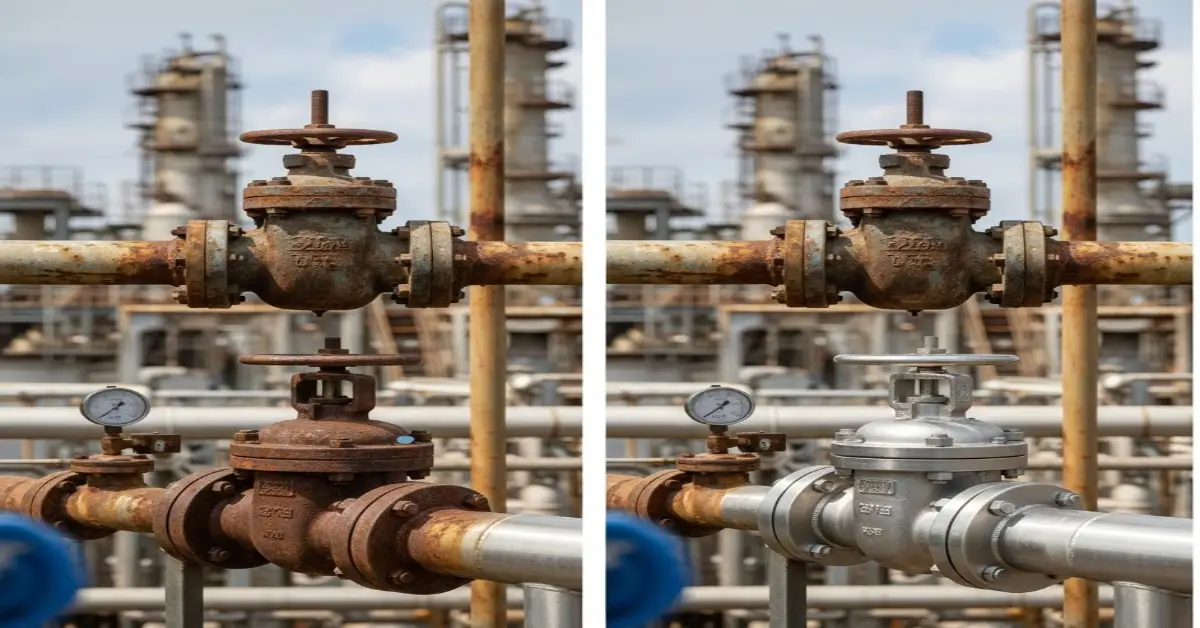
In any processing plant, the Industrial Relief System is your silent sentinel. It sits quietly on top of your tanks and vessels, waiting for the one moment it is needed to prevent a catastrophe.
But because these devices are passive—they don’t spin like motors or light up like screens—they are often ignored until it is too late. A neglected safety valve isn’t just a compliance violation; it is a ticking time bomb.
ADYAA inspects hundreds of safety devices across Australia every year. We consistently find that catastrophic failures are rarely sudden; they are usually preceded by warning signs that were missed during routine rounds.
Is your plant at risk? Here are the 5 critical signs that your Industrial Relief System requires immediate attention.
A safety valve should be tight until it hits its set pressure. If you hear a hissing sound (often called “simmering”) well below the setpoint, you have a problem.
Simmering occurs when the valve seat is damaged or debris is stuck between the disc and the nozzle.
Have you ever heard a valve banging rapidly like a machine gun? This is known as Valve Chatter.
It happens when a valve opens and closes violently and repeatedly. This is usually caused by excessive inlet pressure loss (the pipe leading to the valve is too long or too narrow) or because the valve is oversized for the flow.
Valve Chatter is destructive. It can shatter the internal components, damage the flange connections, and cause massive pipe vibration. If you hear chatter, your Industrial Relief System is not just failing—it is actively damaging your infrastructure.
External rust is bad, but “weeping” is worse.
If you see white salt crystals or product buildup around the valve stem or the discharge piping, it means the valve is leaking process fluid. In chemical plants, Corrosion in Safety Valves can seize the stem completely.
Rupture discs are designed to burst at a specific pressure, but they also wear out over time due to pressure cycling.
If you inspect a disc and see that it is bulging excessively or has tiny “pinholes” (often visible if you shine a light from behind), it is suffering from Rupture Disc Fatigue.
A fatigued disc will burst below its set pressure, causing unnecessary downtime and product loss. While this fails “safe,” it is a nuisance trip that disrupts production and indicates your Industrial Relief System sizing might need a review.
Sometimes the valve is fine, but the pipe is the problem.
We frequently find discharge pipes blocked by:
If the discharge path is blocked, the back pressure will skyrocket when the valve tries to open. This can prevent the valve from reaching full lift, rendering even a brand-new Industrial Relief System useless.
Maintenance is not just about fixing things when they break; it’s about ensuring they work when safety depends on them.
Ignoring these signs doesn’t save money—it invites disaster. Whether it’s Leakage and Simmering or a blocked vent, these symptoms are your equipment screaming for help.
ADYAA specializes in the testing, sizing, and supply of high-reliability pressure relief devices. We ensure your Industrial Relief System is compliant, calibrated, and ready for the worst-case scenario.
Is your plant protected?