When to Replace Rupture Discs in Pressure Equipment: A Maintenance Guide
When to Replace Rupture Discs in Pressure Equipment: A Maintenance Guide In the world of pressure safety, the rupture disc...
Read More →

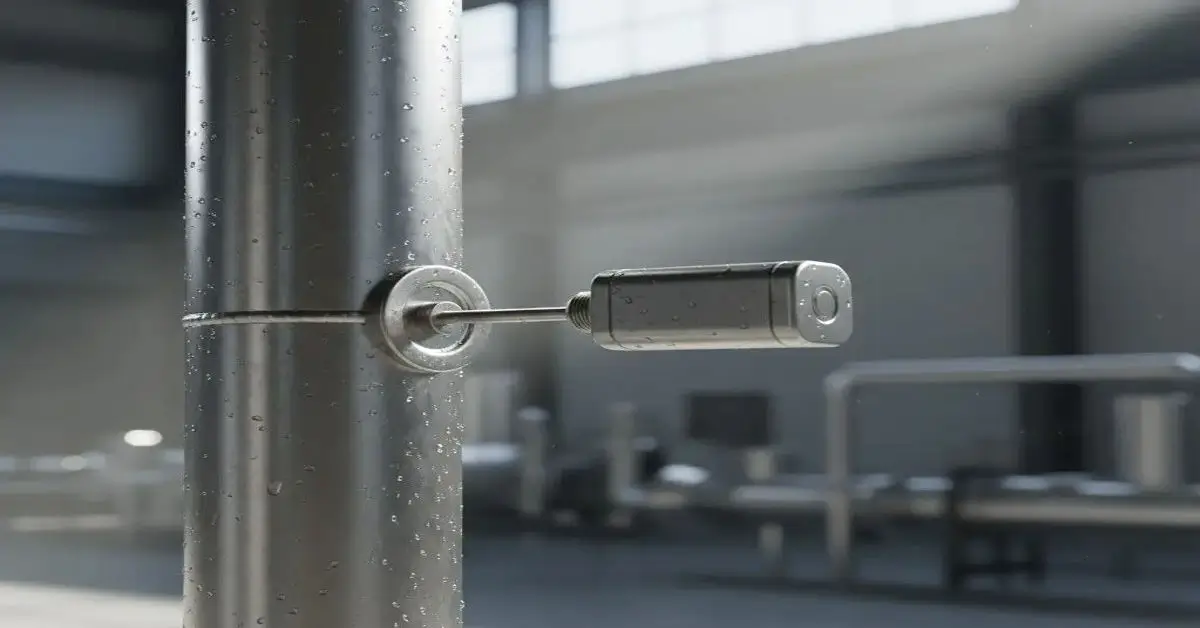
In the world of industrial automation and pneumatic power, water is the enemy. It is invisible in its vapor form, but once it condenses into liquid, it becomes a destructive force capable of rusting pipes, ruining sensitive tools, and contaminating end products.
Many facilities focus heavily on pressure and flow, often treating moisture monitoring as an afterthought. However, seasoned engineers know that Dew Point Sensors Are Critical in Industrial Air and Gas Systems for maintaining operational integrity and efficiency.
ADYAA specializes in the instrumentation that keeps your processes safe. In this deep dive, we explore the science of dew point and why ignoring it is a risk you cannot afford to take.
“Dew Point” is the temperature at which air becomes saturated with water vapor. If the air cools below this temperature, the airborne vapor turns into liquid water (condensation).
In industrial contexts, we specifically talk about Pressure Dew Point (PDP). Because compressing air concentrates the water vapor, the dew point rises significantly under pressure. Air that seems “dry” at ambient pressure will immediately drop gallons of water once compressed if not properly treated.
Understanding this thermodynamic reality is the first step in realizing why Dew Point Sensors Are Critical in Industrial Air and Gas Systems. Without them, you are flying blind regarding the moisture content in your lines.
If you are not actively monitoring dew point, you are likely experiencing one of these four expensive problems:
Water in pneumatic lines washes away the lubricants needed for cylinders and valves. Over time, this causes:
In regulated industries, air often touches the product. Imagine a pharmaceutical powder clumping because the conveying air was moist, or bacteria growing in a food package because the “clean” air contained water droplets. In these high-stakes environments, Dew Point Sensors Are Critical in Industrial Air and Gas Systems to ensure compliance with strict hygiene standards like ISO 8573-1.
Many industrial analyzers and precision instruments require “Zero Air” or ultra-dry gas to function. Moisture can drift sensor readings or permanently damage the sensitive optics and detection elements inside these devices.
Most facilities use Desiccant or Refrigerant dryers to remove moisture. Without a sensor, these dryers often run on a fixed timer—regenerating the desiccant beds every 10 minutes whether they need it or not. By using a dew point sensor to control the dryer (Dew Point Demand Switching), you only regenerate when the sensor detects moisture. This can save thousands of dollars in energy costs annually.
Not all sensors are created equal. Selecting the right one depends on how dry your air needs to be.
To ensure your data is accurate, proper installation is key.
Moisture damage is cumulative. By the time you see water dripping out of a pneumatic tool, the damage to the internal seals is already done.
Implementing continuous monitoring is the only proactive solution. It allows you to catch dryer failures instantly, automate energy savings, and guarantee product quality. This is why Dew Point Sensors Are Critical in Industrial Air and Gas Systems—they are the final check that validates your entire air treatment process.
ADYAA supplies a range of high-precision dew point transmitters and portable meters designed for the harsh conditions of Australian industry.
Stop guessing about your air quality.
View ADYAA’s Range of Dew Point Sensors
Contact our team to discuss your compressed air requirements.