When to Replace Rupture Discs in Pressure Equipment: A Maintenance Guide
When to Replace Rupture Discs in Pressure Equipment: A Maintenance Guide In the world of pressure safety, the rupture disc...
Read More →

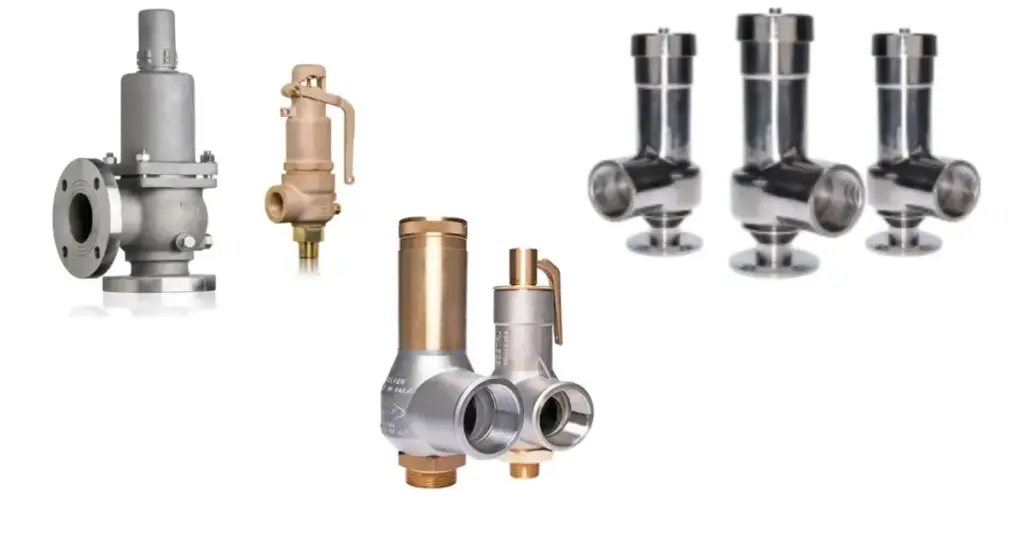
In process engineering, “bigger” is not always better.
When you need to Size a Pressure Relief Valve , the stakes are incredibly high.
Sizing isn’t just about picking a pipe size that matches your tank nozzle. It is a precise calculation governed by codes like ASME Section VIII and API 520.
ADYAA supplies, engineering team that supports clients with complex sizing scenarios every day. Below, we break down the 4 critical steps you must follow to correctly Size a Pressure Relief Valve for your application.
The first number you need is the MAWP (Maximum Allowable Working Pressure) of the vessel you are protecting.
Your Set Pressure (the point where the valve starts to open) must never exceed the MAWP.
Key takeaway: To correctly Size a Pressure Relief Valve, ensure your normal operating pressure is at least 10% below the set pressure to prevent nuisance leakage.
This is the most difficult step. You must ask: “What is the worst-case scenario?”
You don’t size a valve for normal flow; you size it for the catastrophe. Common scenarios include:
You must calculate exactly how much fluid (kg/hr or L/min) needs to escape to keep the pressure from rising more than 10% or 21% above the MAWP (depending on the code).
The physical state of the medium dictates the valve design and the formula used to Size a Pressure Relief Valve.
The Trap: Be careful with Two-Phase Flow (mixture of gas and liquid). This requires complex sizing calculations (API 520 Part I) because the gas expands while the liquid drags, creating a “choking” effect in the nozzle.
Where does the fluid go when the valve opens?
Why it matters: Standard safety valves are affected by backpressure. If the backpressure in the discharge pipe varies by more than 10% of the set pressure, it will force the valve to stay closed when it should open.
To properly Size a Pressure Relief Valve in a closed loop, you may need a Balanced Bellows design (which shields the spring from backpressure) or a Pilot-Operated Valve.
There is no room for guesswork. A valve that is sized incorrectly is a liability, not a safeguard.
To Size a Pressure Relief Valve correctly, you need accurate data: MAWP, worst-case flow scenarios, fluid properties, and backpressure data.
ADYAA, we don’t just sell valves; we verify the application. Our engineers can help you review your process conditions to ensure the valve you buy is the valve that will save your plant.
Need sizing support?