Industrial Instrumentation Australia: Complete Guide
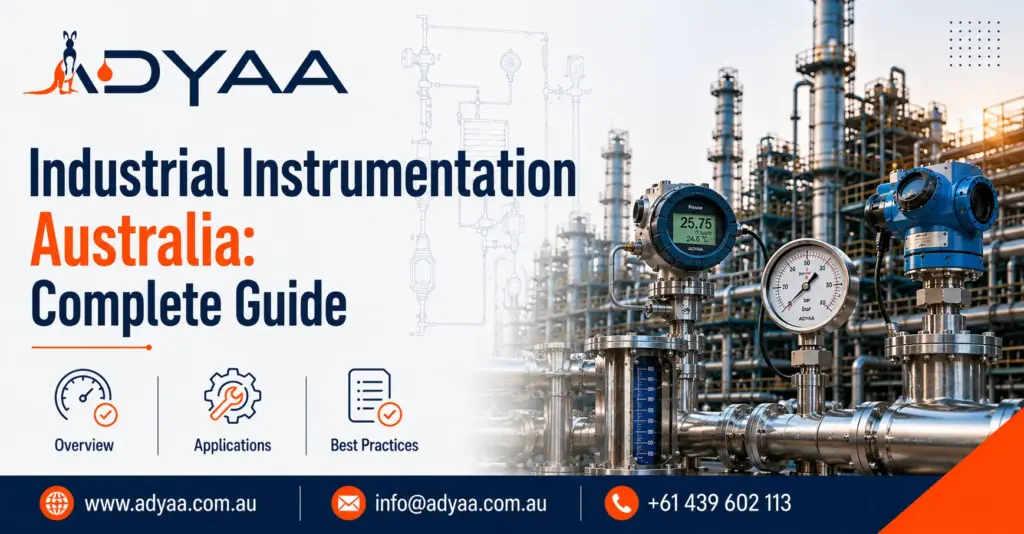
Industrial Instrumentation Australia: Complete Guide Every industrial process depends on reliable measurements. Whether it’s monitoring pressure inside a pipeline, measuring liquid levels in a storage tank or controlling temperature during production, industrial instrumentation provides the information needed to keep operations running efficiently. Across Australia, industries rely on Industrial Instrumentation Australia solutions to improve process control, minimise downtime, increase equipment reliability and support safer working environments. What Is Industrial Instrumentation? Industrial instrumentation refers to the instruments used to measure, monitor and control process variables such as pressure, temperature, flow and level. These instruments continuously collect operational data and send it to operators or automation systems such as PLCs, SCADA and DCS platforms, allowing businesses to monitor processes in real time and make informed operational decisions. From a small manufacturing facility to a large refinery, accurate instrumentation is the foundation of efficient process control. Why Industrial Instrumentation Matters Reliable instrumentation delivers much more than accurate measurements. Improve Process Accuracy Maintain consistent product quality by continuously monitoring critical process variables. Increase Operational Efficiency Real-time process data enables faster decisions and smoother production. Reduce Downtime Detect abnormal operating conditions before they become costly failures. Improve Workplace Safety Monitor pressure, temperature and flow to help reduce operational risks. Support Automation Provide accurate data for PLC, SCADA and distributed control systems. Extend Equipment Life Reliable monitoring helps prevent unnecessary wear on industrial equipment. How Industrial Instrumentation Works Although different instruments perform different tasks, most follow a similar process. A sensor detects a physical process such as pressure, temperature, flow or level. The instrument converts the measurement into a usable electrical signal. The signal is transmitted to a PLC, SCADA or control system. Operators monitor the process in real time. The control system adjusts the process automatically when required. This continuous monitoring improves process stability and operational efficiency. Types of Industrial Instrumentation Different applications require different measurement technologies. Pressure Instrumentation Pressure gauges, pressure transmitters and pressure switches monitor pressure in pipelines, vessels and process equipment. Temperature Instrumentation RTDs, thermocouples, temperature transmitters and thermometers measure process temperatures accurately. Flow Instrumentation Electromagnetic, Coriolis, ultrasonic and vortex flowmeters measure liquid, gas and steam flow. Level Instrumentation Radar, ultrasonic, capacitance and guided wave radar transmitters monitor tank and vessel levels. Analytical Instrumentation pH meters, conductivity meters and dissolved oxygen sensors monitor product quality and process conditions. Calibration Equipment Calibration equipment verifies instrument accuracy and supports reliable long-term performance. Common Industrial Instruments at a Glance Instrument Measures Common Applications Pressure Transmitter Pressure Oil & Gas, Manufacturing Temperature Transmitter Temperature Food Processing, Pharmaceutical Electromagnetic Flowmeter Liquid Flow Water & Wastewater Radar Level Transmitter Tank Level Chemical Processing Conductivity Meter Conductivity Water Treatment Pressure Gauge Pressure General Industrial Applications Where Industrial Instrumentation Is Used Every industry has unique measurement requirements. Manufacturing Manufacturers use instrumentation to improve production efficiency, reduce waste and maintain consistent product quality. Oil & Gas Pressure, flow and temperature instruments support safe exploration, transportation and refining processes. Mining Instrumentation monitors heavy equipment and mineral processing operations under demanding conditions. Chemical Processing Accurate measurement helps maintain product consistency while supporting efficient process control. Food & Beverage Temperature, flow and level instruments help maintain production quality throughout manufacturing. Water & Wastewater Flowmeters, level transmitters and analytical instruments support water treatment and distribution. Power Generation Instrumentation continuously monitors boilers, turbines and utility systems. Pharmaceutical High-accuracy instruments support controlled manufacturing environments and product consistency. Industrial Instrument Selection Checklist Before selecting an industrial instrument, consider the following: ✔ Process variable to be measured ✔ Operating pressure and temperature ✔ Required measurement accuracy ✔ Process connection ✔ Material compatibility ✔ Output signal requirements ✔ Communication protocol ✔ Hazardous area certification ✔ Installation environment ✔ Future maintenance and calibration Choosing the right instrument from the beginning reduces operating costs and improves long-term reliability. Common Mistakes When Selecting Industrial Instrumentation Selecting the wrong instrument can affect both productivity and equipment reliability. Common mistakes include: Choosing the wrong measuring range Ignoring environmental conditions Selecting incompatible wetted materials Overlooking communication protocols Installing instruments incorrectly Skipping routine calibration Prioritising price over application suitability Working with experienced instrumentation specialists helps avoid these issues. Why Measurement Accuracy Matters Even small measurement errors can affect production quality, energy consumption and maintenance costs. Accurate industrial instrumentation provides reliable process data that supports better operational decisions, improved efficiency and more consistent production outcomes. Why Choose ADYAA? ADYAA supplies industrial instrumentation solutions that support reliable process measurement across Australian industries. Comprehensive Product Portfolio Pressure, temperature, flow, level, analytical and calibration solutions from trusted manufacturers. Technical Expertise Support in selecting instrumentation suited to your process requirements. Reliable Industrial Solutions Products designed for demanding industrial environments. Automation Compatibility Solutions compatible with PLC, SCADA and process automation systems. Australia-wide Support Reliable service for customers across Australia. Focus on Long-Term Performance Helping industries improve efficiency, measurement accuracy and operational reliability. Frequently Asked Questions What is industrial instrumentation? Industrial instrumentation includes instruments used to measure, monitor and control industrial processes. What industries use industrial instrumentation? Manufacturing, mining, oil & gas, chemical processing, food & beverage, pharmaceutical, power generation and water treatment. What are the main types of industrial instrumentation? Pressure, temperature, flow, level and analytical instruments are the most widely used. Why is calibration important? Calibration verifies measurement accuracy and helps maintain reliable process performance. How does industrial instrumentation support automation? It provides real-time process data to PLC, SCADA and DCS systems for monitoring and automated control. How do I choose the right industrial instrument? Selection depends on the process variable, operating conditions, accuracy requirements, installation environment and communication needs. Whether you’re expanding a production facility, upgrading existing equipment or implementing a new process, selecting the right Industrial Instrumentation Australia solutions helps improve operational efficiency, process visibility and long-term equipment reliability. ADYAA supplies a comprehensive range of industrial instrumentation products and works with customers to identify solutions that match their operational and technical requirements. Need help selecting the right industrial instrumentation? Our specialists can help you choose the right pressure, temperature, flow, level and analytical instruments for your application. Industrial Instrumentation Australia:
Why Precise Temperature Control is the Heart of Food Safety (And Profit)
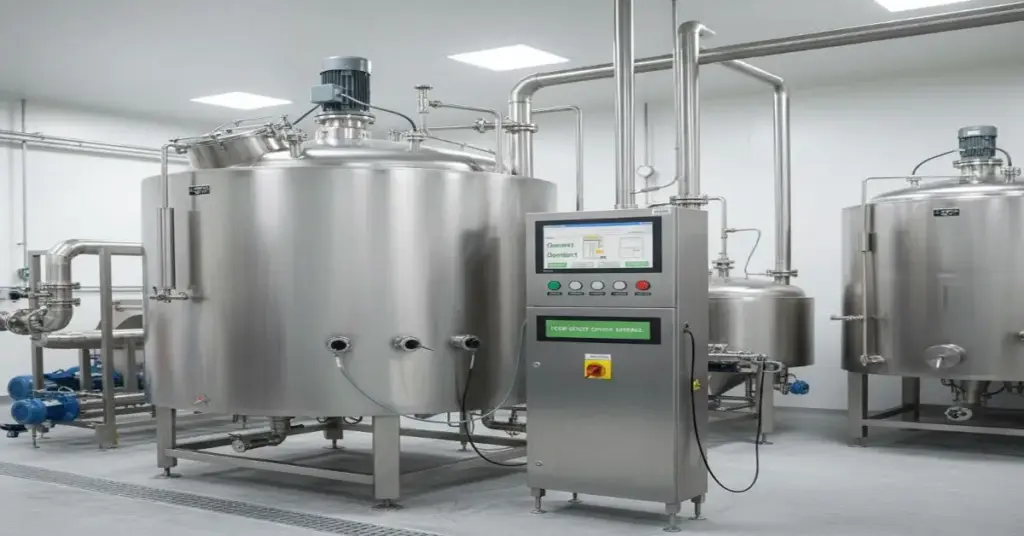
Why Precise Temperature Control is the Heart of Food Safety (And Profit) For a Food Safety Manager, there is one word that causes more stress than any other: Recall. We have all seen the headlines. Dairy goes sour too early, or a specific processing line is found to be the source of a listeria outbreak. The cost isn’t just financial—it’s the damage to your brand’s reputation that can take years to fix. In the food processing industry, the difference between a premium product and a public health risk often comes down to just one variable: Temperature. Effective Temperature Control in Food processing isn’t just about “heating it up” or “cooling it down.” It’s about maintaining a precise, documented thermal window every single second. ADYAA supplies the hygienic instrumentation that keeps food plants compliant. In this guide, we are diving into why precision matters, the hidden risks of sensor drift, and how to bulletproof your HACCP (Hazard Analysis Critical Control Point) plan. 1. The “Danger Zone”: It’s Not Just a Recommendation Let’s start with the biology. You know the rule, but is your equipment actually following it? Pathogenic bacteria (like Salmonella and Listeria) thrive in what food safety standards call the Temperature Danger Zone: between 5°C and 60°C. In this specific window, bacteria can double in number every 20 minutes. The Cooling Risk: If a cooked sauce sits at 15°C for too long because a chiller sensor is reading incorrectly, it becomes a petri dish. The Heating Risk: If you pasteurise milk at 71°C instead of 72°C because of a drifting probe, you might fail to kill the target pathogen. The Reality: A sensor that is off by even 1.0°C isn’t just a minor error. In the Danger Zone, it’s a biological ticking time bomb. 2. Beyond Safety: Taste, Texture, and Yield While safety keeps the auditors happy, Temperature Control in Food is also your secret weapon for profit and quality. If you run a production line, you know that temperature fluctuations destroy consistency: Dairy: Overheat the milk during pasteurisation, and you get a “burnt” or cooked flavour profile. Brewing: Yeast is incredibly fussy. If fermentation temps spike, you get off-flavours (esters) that ruin the batch. Meat Processing: Cooking yield is tied directly to temperature. If you overcook a ham by 2 degrees, you are literally evaporating moisture—and profit—into the air. Chocolate: Miss your tempering setpoint by 0.5°C, and the chocolate “blooms” (turns white and chalky). Key Takeaway: Precision sensors don’t just keep you safe; they ensure every batch tastes exactly the same. 3. Critical Control Points (CCPs): Where Do You Need Eyes? Under your HACCP (Hazard Analysis Critical Control Point) plan, temperature sensors are the gatekeepers. Here is where we typically install ADYAA sensors in a plant: A. Raw Material Storage (Cold Chain) Before you even start cooking, the ingredients must be safe. The Risk: A freezer cycling too warm during a defrost cycle. The Solution: Continuous monitoring with Industrial RTDs that trigger an alarm the moment air temp rises above the limit. B. The “Kill Step” (Cooking/Pasteurisation) This is the most critical moment. Whether it’s a HTST pasteuriser or a steam retort. The Risk: “Cold spots” in the kettle or a slow sensor failing to register a drop in temperature. The Solution: Fast-response Sanitary Sensors placed at the coolest point of the vessel to ensure every particle reaches target temp. C. Rapid Cooling Once cooked, you must rush the food through the Danger Zone to stop spore germination. The Risk: The outside of the food is cold, but the core is still hot. The Solution: Using Insertion Probes to measure the core temperature of the product, not just the air in the blast chiller. 4. The Hidden Enemy: Sensor Drift Here is a common scenario in food plants: You install high-quality sensors 5 years ago. They get blasted with 80°C caustic cleaning chemicals (CIP) every night. They vibrate constantly on pumps. Over time, this harsh environment causes Sensor Drift. The control screen says 72°C, but the product is actually 70°C. Why does this happen? Standard industrial sensors aren’t built for food plants. Moisture from washdowns enters the sensor head, or thermal shock from CIP cycles compromises the internal wires. The ADYAA Solution: We supply Sanitary Temperature Sensors specifically designed for Hygienic Applications. Tri-Clamp Connections: For easy removal and cleaning. IP69K Rating: Totally sealed against high-pressure water jets. Polished Finish: Smooth stainless steel so bacteria has nowhere to hide. 5. How to Choose the Right Sensor for Your Line Don’t just buy a generic sensor from a catalog. Use the right tool for the job. For High Precision (Dairy/Pharma/Labs) Use: RTD (Pt100) Sensor. Why: It offers the highest accuracy (±0.1°C) and stability. Essential for pasteurisation loops. For High Vibration (Packaging/Sealing) Use: Thermocouple. Why: They are tougher and respond faster. Perfect for shrink tunnels or heat sealing bars. For Hygiene (Anything touching food) Use: 316L Stainless Steel with Tri-Clover connections. Never use threaded sensors where food can get trapped and rot. Conclusion: Protect Your Brand with Precision In the food industry, you are only as good as your last batch. Temperature Control in Food processing isn’t just a box to tick for the auditor; it is the foundation of your customer’s trust. Don’t leave it to chance with aging, drifting, or incorrect instrumentation. At ADYAA, we understand the high stakes of food processing. From hygienic RTDs to robust monitoring systems, we help you keep your cool when the heat is on. Is your HACCP plan fully protected? Explore ADYAA’s Sensors Chat with an Engineer today. How Industrial Automation Sensors Improve Automation & Efficiency in Manufacturing How Industrial Automation Sensors Improve Automation & Efficiency in Manufacturing In modern manufacturing, efficiency, accuracy, and reliability are more important… Read More → How Vision & Imaging Sensors Transform Automated Inspection Systems How Vision & Imaging Sensors Transform Automated Inspection Systems Maintaining product quality while keeping up with high-speed production is crucial…. Read More → IoT and Automation in Industrial Operations: