
How Rupture Discs Protect Pressure Systems from Catastrophic Failure
How Rupture Discs Protect Pressure Systems from Catastrophic Failure In the hierarchy of industrial safety, there are control systems, alarms, and operator interventions. But when all else fails and pressure rises uncontrollably, you need a device that acts instantly and without hesitation. This is the role of the Rupture Disc. Unlike a Safety Relief Valve (SRV), which opens and closes, a rupture disc is the “circuit breaker” of your pressure vessel. It is a sacrificial element designed to burst at a precise pressure, creating an immediate escape path for dangerous gases or liquids. ADYAA treats pressure relief as the most critical aspect of plant management. In this guide, we explore How Rupture Discs Protect Pressure Systems and why they are often the last line of defense between a safe shutdown and a disaster. What Is a Rupture Disc? A rupture disc (also known as a bursting disc) is a non-reclosing pressure relief device. It consists of a thin metal diaphragm held between two holders. The concept is simple but highly engineered: the metal is manufactured to fail at a specific “set pressure.” When the process pressure hits that limit, the disc bursts open within milliseconds, allowing fluid to escape rapidly to a safe location or flare system. 3 Ways Rupture Discs Protect Your Assets Understanding How Rupture Discs Protect Pressure Systems requires looking at their three distinct applications in a facility. 1. Primary Relief (The “Fail-Safe”) In some systems, a rupture disc is the only relief device. Because they have no moving parts, they are incredibly reliable. They are often used on reaction vessels where pressure spikes can be so sudden (fast-acting) that a mechanical valve might open too slowly to prevent a vessel rupture. 2. Protecting Safety Valves (Isolation) This is one of the most common uses. A rupture disc is installed upstream (before) of a Safety Relief Valve. Corrosion Protection: It prevents corrosive chemicals from touching the expensive valve internals until an overpressure event occurs. Leak Prevention: Safety valves can sometimes “simmer” or leak small amounts of fugitive emissions. A rupture disc provides a 100% bubble-tight seal, ensuring zero leakage during normal operations. 3. Secondary Relief (The “Backup”) If a fire causes pressure to rise beyond the capacity of the primary safety valve, a rupture disc acts as a secondary backup, blowing open to provide a massive extra vent area to prevent an explosion. Rupture Disc vs. Safety Valve: What’s the Difference? Clients often ask us why they need a disc if they already have a valve. Safety Valves (SRVs): Are Reclosing. Once pressure drops, the valve closes, and the process can technically continue (or be safely shut down without losing all fluid). Rupture Discs: Are Non-Reclosing. Once they activate, they are destroyed and must be replaced. They offer a “full bore” opening immediately, providing maximum flow capacity instantly. Using them together combines the best of both worlds: the tight seal of a disc with the reclosing ability of a valve (once the disc has burst). The Importance of Correct Selection Because a rupture disc is a “one-shot” device, you cannot calibrate it. You must select the right one from the start. Material Compatibility: If the process fluid corrodes the disc even slightly, the metal weakens, and the disc will burst prematurely (at a lower pressure), causing downtime. Operating Ratio: If you run your process pressure too close to the disc’s burst pressure, metal fatigue will cause it to fail over time. Trust ADYAA with Your Relief Systems Ensuring your plant is protected requires more than just buying a part; it requires a holistic strategy. ADYAA specializes in Pressure Relief System Management. Whether you need to size a new rupture disc, select the correct holder, or manage the maintenance schedule for your Safety Relief Valves, our engineering team ensures you are compliant with standards like API 520 and AS 1210. Do not leave overpressure protection to chance. Need to review your safety devices? Explore ADYAA’s Pressure Relief Solutions Contact our technical team for sizing and selection advice. When to Replace Rupture Discs in Pressure Equipment: A Maintenance Guide When to Replace Rupture Discs in Pressure Equipment: A Maintenance Guide In the world of pressure safety, the rupture disc… Read More → Flange Sealing Solutions for High-Pressure Pipes: Zero Leakage Strategies Flange Sealing Solutions for High-Pressure Pipes: Zero Leakage Strategies In high-pressure industrial environments, the weakest link is rarely the pipe… Read More → How to Select Pressure Relief Valves for Industrial Plants How to Select Pressure Relief Valves for Industrial Plants If a pump fails, production stops. If a control valve fails,… Read More →
Rupture Discs vs Relief Valves Explained: Making the Right Choice
Rupture Discs vs Relief Valves Explained: Making the Right Choice When designing a pressure vessel, you have a critical obligation to ensure it does not fail under pressure. But when it comes to selecting the device that provides that protection, engineers often face a classic debate: Rupture Discs vs Relief Valves. Is it better to have a device that recloses to save your product? Or one that bursts open instantly to guarantee maximum flow? The answer, as with most complex engineering challenges, is rarely black and white. It depends entirely on your process fluid, your risk tolerance, and your maintenance capabilities. We manage the lifecycle of both technologies. We know that choosing the wrong device can lead to expensive product loss or, worse, a safety system that reacts too slowly. In this guide, we break down the Rupture Discs vs Relief Valves comparison to help you select the right strategy for your plant. The Safety Relief Valve (SRV): The Reclosing Workhorse A Safety Relief Valve (SRV) is a mechanical device designed for continuity. A spring holds a disc down against a seat. When the system pressure exceeds the spring force, the valve lifts, releases the excess pressure, and then closes again once safe conditions are restored. The Pros: Reclosing Capability: This is the primary advantage. You don’t lose the entire contents of your tank during a minor pressure spike. Adjustability: The set pressure can often be fine-tuned by a technician to suit changing process needs. Serviceability: These are assets you can maintain. We can test, machine, and repair these valves to extend their operational life significantly. The Cons: Leakage Risk: Because it relies on a mechanical seat, there is always a risk of small “simmering” leaks, especially as operating pressure nears the set point. Mechanical Complexity: With moving parts, they are susceptible to sticking if fouled by product buildup, requiring regular testing. The Rupture Disc: The Instant “Circuit Breaker” A Rupture Disc (or Bursting Disc) is a thin metal membrane engineered to fail at a precise pressure. Think of it as the “fuse” of your pressure system. Once it bursts, it cannot be reset; the process is open to the atmosphere (or flare system) until the disc is physically replaced. The Pros: Hermetic Seal: There is zero leakage. This makes them ideal for toxic, expensive, or hazardous gases where fugitive emissions are unacceptable. Instant Full Bore: The disc opens completely in milliseconds, providing a massive escape path instantly. This is critical for fast-rising pressure events like runaway chemical reactions. Lower Upfront Cost: A disc is generally less expensive to purchase than a high-specification valve. The Cons: One-Shot Device: Once it activates, your plant is down until a technician installs a new one. Non-Adjustable: You buy it for a specific burst pressure. If your process changes, you must buy new discs. The Showdown: Rupture Discs vs Relief Valves To decide between the two, you need to weigh your priorities. Here is a quick comparison of how they stack up in the field: Feature Safety Relief Valve (SRV) Rupture Disc Action Recloses (Saves Product) Non-reclosing (Sacrificial) Sealing Potential for simmering Zero leakage (Hermetic) Maintenance Requires testing & repair Requires replacement after use Response Time Fast Instant (Milliseconds) Best Application Variable/Minor Upset Conditions Explosions/Runaway Reactions The Ultimate Solution: The Combination Strategy In many critical applications, the best answer to Rupture Discs vs Relief Valves is actually “both.” By installing a Rupture Disc upstream of a Relief Valve, you achieve a superior level of protection: Corrosion Protection: The disc acts as a shield, preventing corrosive process fluids from touching the expensive valve internals during normal operation. Zero Leakage: The disc provides a tight seal, ensuring valuable gas doesn’t leak through the valve seat. Reclosing Capability: If an overpressure event occurs, the disc bursts, the valve opens to relieve pressure, and then the valve closes. You still have to replace the disc, but you do not lose the whole tank inventory. Note: This setup requires careful monitoring of the space between the disc and the valve to ensure no back-pressure builds up, which would change the burst pressure. Managing Your Lifecycle with Data Whether you choose discs, valves, or a combination, they all require intelligent management. At ADYAA, we move beyond rigid, calendar-based maintenance schedules. We utilise Risk-Based Inspection (RBI) methodologies to calculate the unique risk profile for every relief device in your facility. This data-driven approach allows us to tell you exactly which valves need immediate repair and which can safely run longer—optimising your budget without compromising safety. Confused about your safety strategy? Don’t guess with overpressure protection. Let our engineers calculate the right sizing and selection for your specific risk profile. Contact ADYAA for Pressure Relief System Management Call us for support on all major valve brands. When to Replace Rupture Discs in Pressure Equipment: A Maintenance Guide When to Replace Rupture Discs in Pressure Equipment: A Maintenance Guide In the world of pressure safety, the rupture disc… Read More → Flange Sealing Solutions for High-Pressure Pipes: Zero Leakage Strategies Flange Sealing Solutions for High-Pressure Pipes: Zero Leakage Strategies In high-pressure industrial environments, the weakest link is rarely the pipe… Read More → How to Select Pressure Relief Valves for Industrial Plants How to Select Pressure Relief Valves for Industrial Plants If a pump fails, production stops. If a control valve fails,… Read More →
What is a Safety Relief Valve? – The Complete Beginner’s Guide
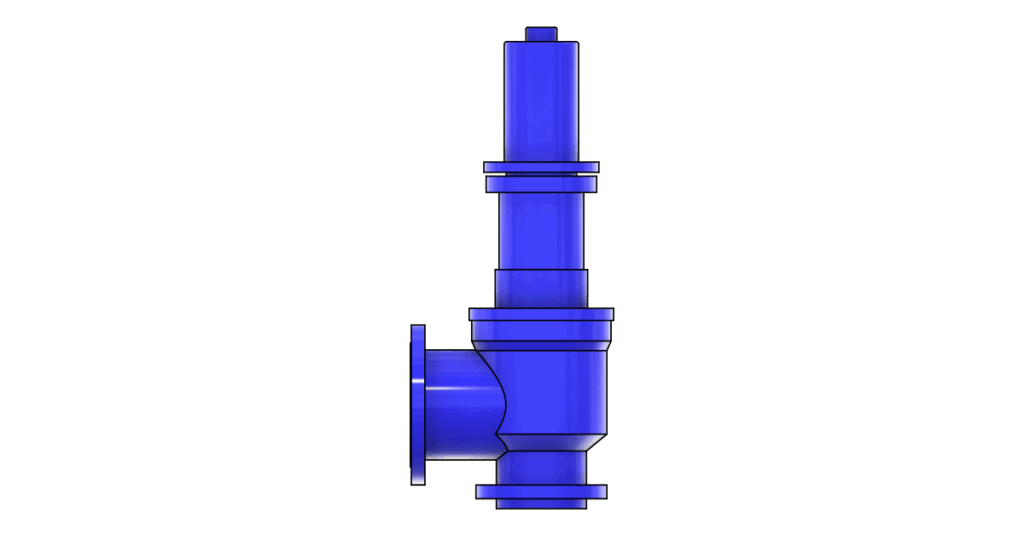
What is a Safety Relief Valve? – The Complete Beginner’s Guide A Safety Relief Valve (SRV) is a vital protective component in industrial systems, designed to safeguard equipment, processes, and personnel from dangerous overpressure. Its function is to automatically discharge excess pressure from vessels, pipelines, or systems once a preset pressure level is exceeded, and then close again once normal conditions return. Purpose of a Safety Relief Valve The main role of an SRV is to avoid serious failures by venting surplus pressure. Overpressure can result from various causes, including process disturbances, thermal expansion, mechanical malfunction, or human error. In such cases, the SRV serves as the final layer of protection. How a Safety Relief Valve Works Most SRVs work using a spring-loaded or pilot-operated setup. Under typical conditions, the spring keeps the valve shut. If the system pressure rises above the set value, the force from the fluid overcomes the spring’s tension, lifting the valve disc to release the extra pressure. Once the pressure falls below the set point, the spring pushes the disc back into position, closing the valve and stopping the flow. Key Standards & Regulations Safety Relief Valves must comply with recognized international standards to ensure performance and safety. Commonly followed standards include: ASME Boiler and Pressure Vessel Code, Section VIII. API Standards 520 and 521 ISO 4126 – Pressure protection safety devices. Industries That Use Safety Relief Valves SRVs are commonly found in sectors where overpressure could cause significant hazards, such as: Oil and Gas Chemical Manufacturing Power Plants Pharmaceutical Production Food and Beverage Processing Why Safety Relief Valves are Important Without SRVs, overpressure incidents could lead to accidents, major equipment damage, operational downtime, and even loss of life. Selecting, installing, and maintaining the correct SRV is critical for safe and dependable operations. At Adyaa Engineering, we provide and service certified Safety Relief Valves that conform to international requirements and suit specific applications. Our specialists handle sizing, selection, and testing to ensure top-level safety and reliability. How Industrial Automation Sensors Improve Automation & Efficiency in Manufacturing How Vision & Imaging Sensors Transform Automated Inspection Systems IoT and Automation in Industrial Operations: Boost Efficiency, Safety, and Reliability Gaskets vs O-Rings: Which Sealing Solution Is Right for You? Load More