
How to Select Pressure Relief Valves for Industrial Plants
How to Select Pressure Relief Valves for Industrial Plants If a pump fails, production stops. If a control valve fails, the process drifts. But if a pressure relief valve (PRV) fails, people can get hurt. Selecting the right safety device is not just about matching a pipe size. It is an engineering discipline that sits at the intersection of fluid dynamics, thermodynamics, and mechanical integrity. A valve that is too small won’t relieve pressure fast enough to prevent an explosion. A valve that is too big will “chatter”, destroying its own seat and causing leaks within seconds. We see many facilities struggle with this complex choice. In this guide, we break down the critical engineering factors you must evaluate when choosing Pressure Relief Valves for industrial plants. 1. Know Your Fluid State (Gas, Liquid, or Steam?) The first question isn’t “what pressure?”—it is “what phase?” A valve designed for incompressible liquid (like water) behaves very differently from one designed for compressible gas (like nitrogen or steam). For Gases/Steam: You typically need a valve that “pops” open instantly to release maximum volume. For Liquids: You often need a relief valve designed for “trim” opening to prevent water hammer (a sudden pressure shockwave) that can rupture pipes. The Rule: Never swap a liquid-trim valve for a gas-service valve without consulting a specialist. The flow characteristics are fundamentally different. 2. The “Hidden” Factor: Back Pressure This is the most common trap in PRV selection. When a valve opens, it usually vents into a discharge header pipe that is collected with other valves. This pipe might already have pressure in it from other processes. This is called Back Pressure. Ideally suited for when venting directly to the atmosphere. However, if there is variable back pressure in the discharge pipe, it pushes against the valve disc, changing the set pressure. This makes the valve unreliable. Balanced Bellows PRVs: These contain a metal bellow that shields the moving parts from back pressure. If your discharge header pressure fluctuates, you must select a balanced bellows design. Pilot-Operated PRVs: For extremely high back pressures or when you need to operate very close to the set pressure, a pilot valve uses the system pressure itself to keep the valve sealed tight until the exact moment it needs to open. 3. Temperature and Material Compatibility Selecting Pressure Relief Valves for industrial plants requires a deep look at the material compatibility table. Standard Carbon Steel bodies (WCB) are fine for general utilities. However, if you are handling corrosive acids, sour gas (H₂S), or cryogenic fluids (LNG), standard materials will fail. High Temperature: Chrome-moly steels may be required to prevent metal creep. Low Temperature: Stainless steel (316) is often needed to prevent brittle fracture in cold climates or cryogenic services. Tip: Always specify if your valve needs NACE compliance (for sour gas environments) to prevent sudden cracking of the valve body. 4. Sizing: The “Goldilocks” Principle Sizing is where the math happens (specifically, API 520 calculations). Undersized: The valve opens, but pressure continues to rise because the valve can’t vent fluid fast enough. Result: Vessel failure. Oversized: The valve opens, vents too fast, pressure drops instantly, the valve slams shut, pressure rises again, and the valve pops open again. This rapid “chatter” destroys the valve internals and flange faces. You need a valve that is sized exactly for your required relieving capacity—no more, no less. 5. Connection Types and Standards Are you following API 526? This standard dictates the flange dimensions and center-to-face measurements. Why it matters: If you select an API 526 compliant valve, you know that years from now, you can swap it out with another brand’s API 526 valve and it will fit perfectly into the same pipe gap. It future-proofs your facility. Conclusion: Trust the Specialists There is no “off-the-shelf” solution for safety. Every PRV must be sized and selected for the specific tag number it serves. ADYAA sells valves and calculates them. Our engineering team reviews your process conditions against the latest standards to ensure your Pressure Relief Valves for industrial plants will perform when the alarm bells start ringing. Unsure if your current valves are sized correctly? Contact ADYAA for a Pressure Relief Audit. Speak to our technical team about API 520 sizing today. When to Replace Rupture Discs in Pressure Equipment: A Maintenance Guide When to Replace Rupture Discs in Pressure Equipment: A Maintenance Guide In the world of pressure safety, the rupture disc… Read More → Flange Sealing Solutions for High-Pressure Pipes: Zero Leakage Strategies Flange Sealing Solutions for High-Pressure Pipes: Zero Leakage Strategies In high-pressure industrial environments, the weakest link is rarely the pipe… Read More → How to Select Pressure Relief Valves for Industrial Plants How to Select Pressure Relief Valves for Industrial Plants If a pump fails, production stops. If a control valve fails,… Read More →
Protecting Equipment with Pressure Relief Systems
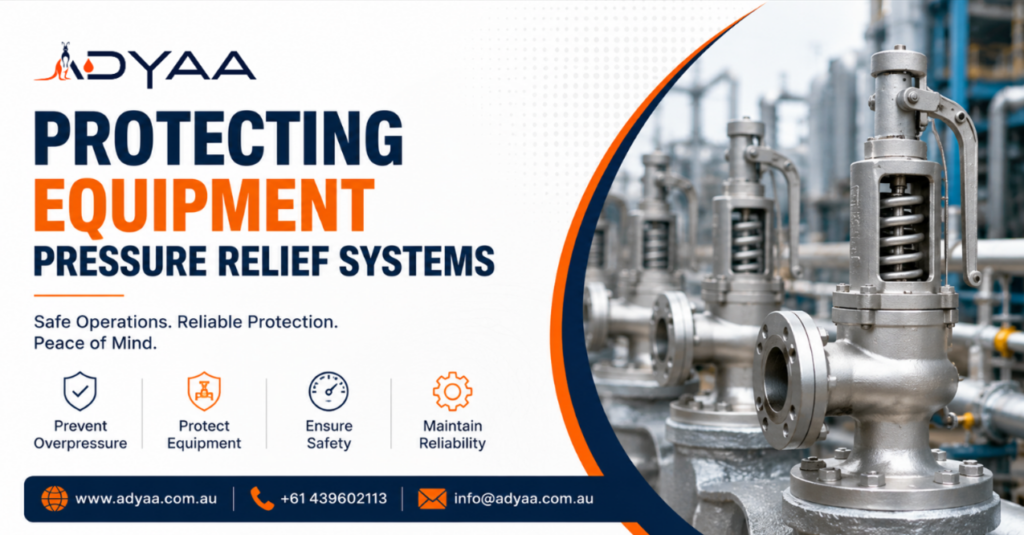
Protecting Equipment with Pressure Relief Systems: A Plant Manager’s Guide Industrial assets are expensive. A single reactor or distillation column represents millions of dollars in capital investment, not to mention the revenue it generates every hour it is online. Yet, these massive steel giants have a weakness: they are incredibly sensitive to internal pressure limits. If a control loop fails or a cooling system stalls, internal pressure can rise within seconds. Without a reliable escape path, the vessel walls will yield, leading to catastrophic equipment damage, environmental release, or safety hazards. Protecting Equipment with Pressure Relief Systems is not just about meeting a compliance checklist; it is the fundamental insurance policy for your plant’s physical assets. The Hidden Mechanisms of Failure To understand how to protect your machinery, you first need to understand the enemy. Overpressure events rarely happen without warning, but they often happen too fast for human intervention. Common culprits include: Blocked Discharge: A valve is accidentally closed downstream while a pump continues to run, dead-heading the flow and spiking pressure. External Fire: A fire near a storage tank causes the liquid inside to boil, expanding rapidly into gas and overwhelming the vessel’s design limits. Thermal Expansion: A pipeline full of liquid is isolated and heated by the sun, causing the fluid to expand and rupture the pipe. In all these scenarios, the vessel integrity depends entirely on the mechanical response of your relief system. The Hierarchy of Defense Effective protection isn’t about slapping a valve on a tank. It requires a layered engineering strategy. When Protecting Equipment with Pressure Relief Systems, we typically look at two distinct lines of defence: 1. The Reclosing Barrier (Safety Valves) The Safety Relief Valve (SRV) is the primary defender. Its job is to open at a set pressure, release just enough fluid to restore safety, and then close again. This protects the equipment from rupturing while simultaneously attempting to save the remaining product in the tank. It is the “recoverable” safety measure. 2. The Ultimate Fail-Safe (Rupture Discs) Some threats are too fast or too corrosive for a standard valve. A rupture disc is a non-reclosing device that bursts open instantly. It is often used to isolate expensive safety valves from corrosive chemicals or to provide a massive, unrestricted vent path during an explosion. Engineering for Reliability, Not Just Compliance Many facilities make the mistake of sizing a relief valve once, installing it, and forgetting it for five years. However, Protecting Equipment with Pressure Relief Systems is a dynamic process that evolves with your plant. Precision Sizing is Critical A common misconception is that “bigger is safer.” This is false. Oversized Valves: If a valve is too large for the required flow, it will open and close rapidly (chatter). This violent hammering can damage the valve seat and the vessel flange itself. Undersized Valves: These cannot vent pressure fast enough to keep up with the generation rate (e.g., during a fire), leading to vessel failure. Proper protection requires rigorous calculations (often using API 520 standards) to ensure the valve matches the specific hydraulic reality of the process. The Role of Back Pressure You must also consider where the fluid goes. If you vent into a header system shared by other units, the pressure in that header pushes back against your valve. If you don’t account for this “back pressure” by using balanced bellows or pilot-operated valves, your protection system may not open when it’s supposed to. The Shift to Data-Driven Maintenance Old-school maintenance involved pulling every valve every year for testing. This is costly and introduces unnecessary risk (damage during handling). Modern asset protection relies on Risk-Based Inspection (RBI). By analysing the history and service conditions of each valve, you can determine which equipment is high-risk and needs frequent attention, and which can safely operate for longer intervals. This approach ensures your resources are focused exactly where the equipment needs them most. The Bottom Line Your pressure vessels are the heart of your operation. A compromise in their integrity is a compromise in your business’s future. Protecting Equipment with Pressure Relief Systems requires more than just hardware; it demands correct engineering, proper material selection, and a maintenance strategy based on data, not guesswork. Ensuring your valves and discs are correctly sized and maintained is the only way to guarantee that when the pressure rises, your assets remain safe. Is your facility protected against the unexpected? Let our engineering team audit your current relief sizing and maintenance strategy to ensure your assets are secure. Contact ADYAA Engineering Speak to a specialist today about optimizing your pressure safety strategy. Industrial HVAC vs Commercial HVAC: What is the Difference? Industrial HVAC vs Commercial HVAC: Why Equipment Choice Matters If you walk onto the roof of a shopping mall and… Read More → How Industrial Automation Sensors Improve Manufacturing Efficiency How Industrial Automation Sensors Improve Efficiency in Manufacturing Efficiency is the primary metric of success. The difference between a profitable… Read More → Gems 3100/3200 Pressure Transmitters : Complete Guide Gems 3100/3200 Pressure Transmitters: Complete Guide Accurate pressure monitoring is essential across industrial environments where process visibility, operational consistency and… Read More →
What is a Flame Arrester? A Full Guide (How They Work, Characteristics, & Uses)
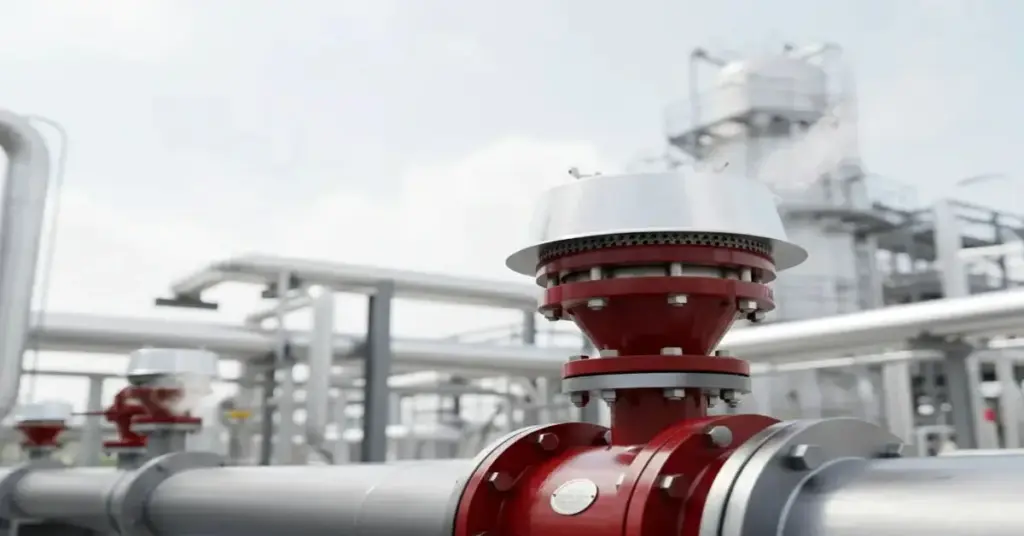
What is a Flame Arrester? A Full Guide (How They Work, Characteristics, & Uses) In industries that handle volatile liquids and gases, a spark is your worst enemy. If a fire starts outside a fuel tank, the real danger isn’t just the fire itself—it is the flame traveling back down the pipe into the tank, causing a catastrophic explosion. To stop this “flashback,” engineers rely on a critical passive safety device: the Flame Arrester. It acts as a firewall for your piping system, allowing gas to flow freely while stopping fire dead in its tracks. But selecting the wrong one (e.g., confusing a deflagration arrester with a detonation arrester) can be a fatal mistake. ADYAA supplies and distributes flame arresters in Australia, protecting local refineries, biogas plants, and storage terminals from disaster. In this guide, we break down the mechanics, functions, and critical applications of these life-saving devices. 1. What is a Flame Arrester? A flame arrester (also known as a flame trap) is a passive safety device installed on a storage tank nozzle or in a pipeline. Its primary function is simple but vital: to allow gas to pass through but stop a flame from passing through. It works on the principle of heat dissipation. By forcing the flame to pass through a series of narrow channels (the element), the device splits the flame into tiny “lets” and absorbs its heat energy until it becomes too cold to sustain combustion. 2. How Do They Work? (The Quenching Principle) The heart of every flame arrester is the “element” or filter bank—usually made of wound crimped metal ribbon or wire mesh. When a flame front hits the element, two things happen: Heat Transfer: The metal element acts as a massive heat sink. It absorbs the heat from the flame faster than the flame can generate it. Quenching: As the flame tries to squeeze through the tiny gaps (called the Maximum Experimental Safe Gap, or MESG), the temperature drops below the ignition point of the gas. The flame essentially “suffocates” and dies out. 3. Key Characteristics & Types Not all fires burn the same way. The type of flame arrester you need depends entirely on how fast the flame is moving and where the device is located. A. End-of-Line vs. In-Line End-of-Line: Installed at the very end of a pipe (e.g., a tank vent) to stop an atmospheric fire from entering the tank. In-Line: Installed in the middle of a pipe to stop a fire from traveling from one piece of equipment to another. B. Deflagration vs. Detonation This is the most critical distinction in safety engineering. Deflagration Arrester: Stops fires moving at subsonic speeds (slower than the speed of sound). Used for short pipe runs. Detonation Arrester: Stops fires moving at supersonic speeds (faster than sound). If a flame travels down a long pipe, it accelerates and creates a shockwave. Only a robust Detonation Arrester can stop this shockwave without shattering. 4. Applications & Use Cases Where are these devices mandatory? Fuel Storage Tanks: To protect diesel, petrol, or solvent tanks from external sparks or lightning strikes igniting the vapors inside. Biogas & Anaerobic Digesters: Methane lines in wastewater treatment plants are highly flammable. A flame arrester prevents a flare stack fire from traveling back into the digester. Vapor Recovery Units (VRU): When collecting fumes from truck loading racks, the piping network connects multiple tanks. Arresters isolate each tank to prevent a chain-reaction explosion. Marine Vessels: Ships carrying oil or chemicals use them to prevent engine room fires from reaching cargo holds. 5. Advantages of Using a Flame Arrester Why is this device essential for your safety strategy? Passive Protection: It has no moving parts, requires no power, and works instantly. Continuous Flow: It allows your system to “breathe” (venting pressure) while maintaining a safety barrier. Insurance Compliance: Most insurance policies for hazardous facilities require a certified flame arrester on all flammable storage vessels. Scalability: From small 1-inch vents to massive 24-inch pipeline units, they scale to fit any plant. 6. FAQ: People Also Ask Here are the answers to the most common questions regarding these safety systems. What is the purpose of a flame arrester? The purpose is to stop the propagation of a flame through a flammable gas or vapor mixture. It protects equipment (like storage tanks) and personnel by extinguishing the flame front before it can cause an explosion. Where are flame arrestors required? They are required anywhere flammable gases are vented or transported. Common locations include: Storage tank vents. Fuel gas lines feeding burners. Vapor recovery piping. Flare stack inlets. What is the purpose of a flame trap? “Flame trap” is simply another name for a flame arrester. Its purpose is to “trap” the flame by absorbing its heat, preventing it from passing further down the line. What is a flame arrester in a ship? On ships, they are installed on fuel tank vents and cargo hold vents. They prevent external sparks (from static electricity or machinery) from igniting the explosive fumes inside the fuel or cargo tanks. Conclusion: The Firewall for Your Pipes A flame arrester is a simple device with a massive responsibility. It stands between a minor fire and a major industrial disaster. Whether you are managing a biogas plant or a fuel terminal, selecting the right element size and location is non-negotiable. ADYAA supplies and distributes flame arresters in Australia, offering expert sizing and selection for Deflagration and Detonation hazards. We ensure your plant meets local safety standards. Is your facility protected from flashback? Explore ADYAA Flame Arresters View Tank Protection Systems Contact our Safety Engineers for a Site Review. How Industrial Automation Sensors Improve Automation & Efficiency in Manufacturing How Industrial Automation Sensors Improve Automation & Efficiency in Manufacturing In modern manufacturing, efficiency, accuracy, and reliability are more important… Read More → How Vision & Imaging Sensors Transform Automated Inspection Systems How Vision & Imaging Sensors Transform Automated Inspection Systems Maintaining product quality while keeping up with high-speed production is crucial….
How to Size a Pressure Relief Valve: Key Factors Engineers Must Consider
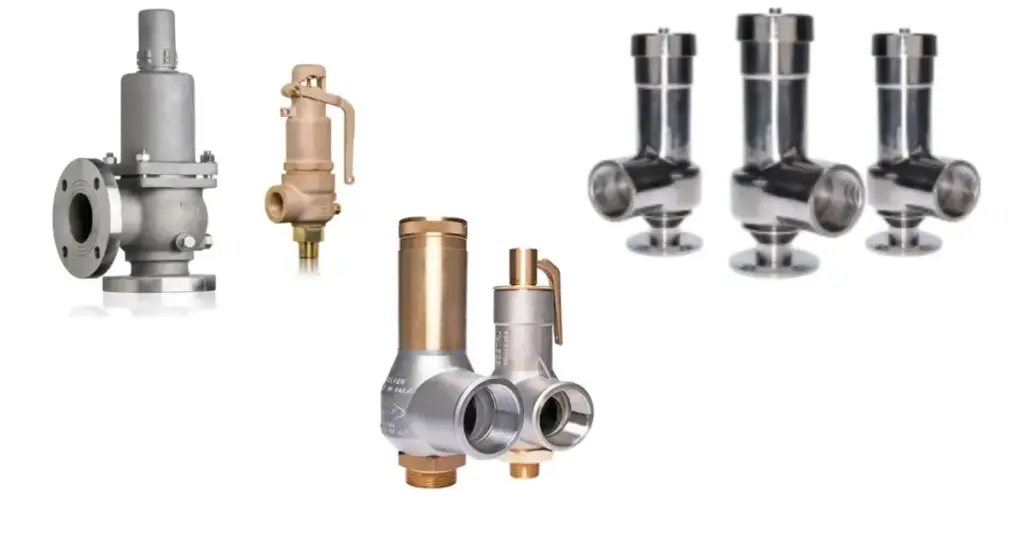
How to Size a Pressure Relief Valve: Key Factors Engineers Must Consider In process engineering, “bigger” is not always better. When you need to Size a Pressure Relief Valve , the stakes are incredibly high. Undersize the valve: It won’t release pressure fast enough, leading to potential vessel rupture or explosion. Oversize the valve: It will open, release too much pressure too quickly, slam shut, and then pop open again. This is called Valve Chatter, and it can destroy the valve seat and piping in seconds. Sizing isn’t just about picking a pipe size that matches your tank nozzle. It is a precise calculation governed by codes like ASME Section VIII and API 520. ADYAA supplies, engineering team that supports clients with complex sizing scenarios every day. Below, we break down the 4 critical steps you must follow to correctly Size a Pressure Relief Valve for your application. 1. Establish the Set Pressure (and MAWP) The first number you need is the MAWP (Maximum Allowable Working Pressure) of the vessel you are protecting. Your Set Pressure (the point where the valve starts to open) must never exceed the MAWP. Rule of Thumb: Most engineers set the relief valve at exactly the MAWP. Operating Margin: You need a gap between your normal operating pressure and the set pressure. If they are too close (e.g., operating at 95 bar with a set pressure of 100 bar), the valve will “simmer” or leak constantly. Aim for a 10% differential. Key takeaway: To correctly Size a Pressure Relief Valve, ensure your normal operating pressure is at least 10% below the set pressure to prevent nuisance leakage. 2. Determine the Required Relieving Capacity This is the most difficult step. You must ask: “What is the worst-case scenario?” You don’t size a valve for normal flow; you size it for the catastrophe. Common scenarios include: Blocked Discharge: A valve downstream closes inadvertently while pumps are running. External Fire: Fire heats the tank, causing the liquid inside to boil and expand rapidly. Thermal Expansion: A pipe full of liquid heats up in the sun. You must calculate exactly how much fluid (kg/hr or L/min) needs to escape to keep the pressure from rising more than 10% or 21% above the MAWP (depending on the code). 3. Identify the Fluid State (Gas vs. Liquid) The physical state of the medium dictates the valve design and the formula used to Size a Pressure Relief Valve. Gas/Steam (Compressible): You are dealing with volume expansion. You need a valve with a “Pop” action for rapid release. The sizing formula relies heavily on the gas temperature and molecular weight. Liquid (Incompressible): You are dealing with hydraulic pressure. You need a standard Relief Valve. Sizing is based on viscosity and specific gravity. The Trap: Be careful with Two-Phase Flow (mixture of gas and liquid). This requires complex sizing calculations (API 520 Part I) because the gas expands while the liquid drags, creating a “choking” effect in the nozzle. 4. Account for Backpressure Where does the fluid go when the valve opens? Atmosphere: If it vents to open air, backpressure is usually zero. Header System: If it vents into a long pipe shared by other valves, there is “Backpressure” pushing back against the valve. Why it matters: Standard safety valves are affected by backpressure. If the backpressure in the discharge pipe varies by more than 10% of the set pressure, it will force the valve to stay closed when it should open. To properly Size a Pressure Relief Valve in a closed loop, you may need a Balanced Bellows design (which shields the spring from backpressure) or a Pilot-Operated Valve. Conclusion: Precision is Safety There is no room for guesswork. A valve that is sized incorrectly is a liability, not a safeguard. To Size a Pressure Relief Valve correctly, you need accurate data: MAWP, worst-case flow scenarios, fluid properties, and backpressure data. ADYAA, we don’t just sell valves; we verify the application. Our engineers can help you review your process conditions to ensure the valve you buy is the valve that will save your plant. Need sizing support? Browse ADYAA Pressure Relief Valves Contact our Engineering Team today. How Industrial Automation Sensors Improve Automation & Efficiency in Manufacturing How Industrial Automation Sensors Improve Automation & Efficiency in Manufacturing In modern manufacturing, efficiency, accuracy, and reliability are more important… Read More → How Vision & Imaging Sensors Transform Automated Inspection Systems How Vision & Imaging Sensors Transform Automated Inspection Systems Maintaining product quality while keeping up with high-speed production is crucial…. Read More → IoT and Automation in Industrial Operations: Boost Efficiency, Safety, and Reliability IoT and Automation in Industrial Operations: Boost Efficiency, Safety, and Reliability Discover how IoT and automation revolutionize industrial operations. Improve… Read More →
What is a Rupture Disc? Full Guide to Types & Applications
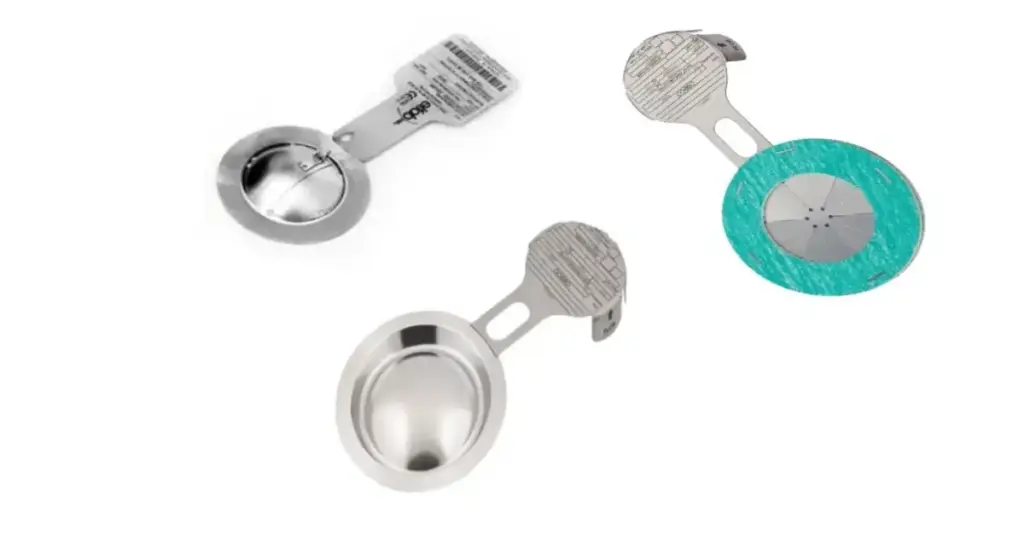
What is a Rupture Disc? A Full Guide (How They Work, Characteristics, & Uses) In the high-stakes world of industrial processing, pressure is a constant threat. If a pipe gets blocked or a chemical reaction runs out of control, pressure can build up in seconds, turning a steel tank into a potential bomb. To prevent this, most plants rely on safety valves. But valves have moving parts. They can seize, leak, or react too slowly to a sudden spike. Enter the Rupture Disc (also known as a Bursting Disc). It is the “airbag” of the process world—a simple, non-reclosing device that sacrifices itself to save your equipment. Once it activates, it’s gone, but your plant is safe. ADYAA supplies and distributes Rupture Discs in Australia, providing critical safety devices to local mining, oil & gas, and manufacturing industries. In this full guide, we will break down exactly what a Rupture Disc is, how it works, and why it might be the most important piece of metal in your facility. 1. What is a Rupture Disc? A Rupture Disc is a pressure relief device that consists of a thin, calibrated metal foil (the membrane) held between two metal holders. It is designed to be the “weakest link” in your pressure vessel. When the pressure inside the system hits a specific limit (the Burst Pressure), the disc physically tears open, allowing fluid or gas to escape instantly and relieving the pressure. Unlike a safety valve, which opens and then closes again, a Rupture Disc is a non-reclosing device. Once it bursts, it must be replaced. 2. How Do They Work? The mechanism is pure physics. Normal Operation: The disc acts as a solid seal, keeping the process fluid inside the pipe. Pressure Rise: As pressure builds, the metal foil begins to stress. Burst Point: When the pressure differential across the disc exceeds its tensile strength (the set pressure), the metal fails. Relief: The disc opens fully (in milliseconds), creating an unrestricted path for the gas or liquid to vent out safely. 3. Key Characteristics & Types Not all discs are the same. Engineers select a Rupture Disc based on specific characteristics: A. Forward Acting (Tension Loaded) How it works: The pressure pushes against the concave (hollow) side of the dome. The metal stretches until it snaps, like blowing up a balloon until it pops. Best for: Lower operating pressures and static loads. B. Reverse Acting (Compression Loaded) How it works: The pressure pushes against the convex (bulging) side of the dome. When the pressure hits the limit, the dome “snaps” through (inverts) and is sliced open by a knife blade or scored lines on the metal. Best for: High operating pressures (up to 95% of burst pressure) and cycling conditions. C. Materials Discs are made from exotic materials to resist corrosion and ensure precision. Common materials include Stainless Steel (316L), Inconel, Monel, Nickel, and Graphite. 4. Applications & Use Cases Where do you actually install a Rupture Disc? 1. As a Primary Relief Device Used on vessels where a valve is too expensive, too slow, or simply unnecessary. Example: A chemical reactor where a runaway reaction creates a pressure spike faster than a valve can open. 2. Upstream of a Safety Valve (The “Bodyguard”) This is the most common industrial use. The disc is installed before a Safety Relief Valve. Why? It seals the expensive valve off from corrosive chemicals or sticky fluids that would gum up the valve internals. If the pressure spikes, the disc bursts, and then the valve opens. 3. Downstream of a Safety Valve Installed on the outlet to prevent corrosive vapors from the header system entering the valve from the back. 5. Advantages of Using a Rupture Disc Why choose a disc over a valve? Zero Leakage: It is a solid metal seal. Unlike valves, which can “simmer” or leak slightly, a disc is bubble-tight. Essential for toxic or expensive gases. Instant Response: There is no spring to compress or piston to move. It opens in milliseconds. Cost-Effective: A disc is significantly cheaper than a high-performance safety valve. Low Maintenance: It has no moving parts. No lubrication or adjustment is needed. 6. FAQ: People Also Ask Here are the answers to the most common questions about Rupture Discs. What happens if a disc ruptures? When a disc ruptures, it creates an open path for the process fluid to escape. The system pressure drops rapidly. However, because the seal is broken, the process fluid will continue to vent until the system is shut down or isolated. You must stop production to replace the disc. What is the life of a rupture disc? A Rupture Disc does not last forever. Fatigue from pressure cycling (going up and down) eventually weakens the metal. Recommendation: Most manufacturers recommend replacing discs once a year during preventative maintenance, even if they haven’t burst. Harsh conditions: In corrosive or high-cycling environments, they may need replacement every 6 months. Where is the rupture disc located? They are typically located directly on the pressure vessel nozzle or in the piping immediately before a Safety Relief Valve. They are mounted inside a specialized Safety Head (holder) that is bolted between two pipe flanges. What does a rupture disc look like? It looks like a round, slightly domed metal plate, usually with a metal tag handle sticking out. The tag contains vital info like the Burst Pressure, Temperature Rating, and Flow Direction arrow. Note: Never paint over the disc or the tag! Conclusion: A Small Device with a Big Job A Rupture Disc is often the last line of defense between safe operation and a major incident. It is simple, reliable, and absolutely critical. Whether you need to protect a storage tank from vacuum collapse or shield a safety valve from corrosion, choosing the right disc requires expert sizing. ADYAA supplies and distributes Rupture Discs in Australia, offering high-precision safety heads tailored to your plant’s unique hazards. Ready to secure your pressure systems? Explore ADYAA Rupture Discs
Tank Protection Valve Full Guide: Types, Benefits & Selection
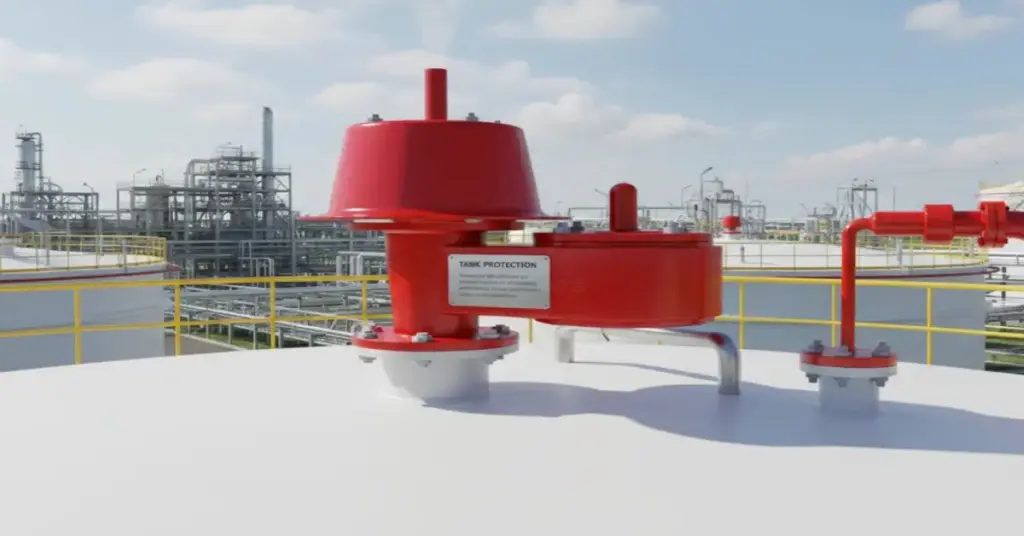
Tank Protection Valve Full Guide: Types, Benefits & Selection A bulk storage tank is not just a static metal box; it is a breathing lung. As temperatures rise during the day, the liquid inside expands and vapors build up (Exhalation). At night, or when pumping liquid out, the tank cools and creates a vacuum (Inhalation). If you block this breathing process, the physics are unforgiving: the tank will either rupture from overpressure or crumple inward like a crushed soda can. To prevent this catastrophe, engineers rely on a critical device: the Tank Protection Valve. ADYAA supplies, we specialize in low-pressure safety systems that keep Australian storage terminals compliant and safe. In this Tank Protection Valve full guide, we will explore what these valves are, the different types available, and how to assess which one is right for your facility. 1. What is a Tank Protection Valve? A Tank Protection Valve (often called a Breather Valve or PVRV) is a self-acting safety device mounted on the roof of a storage tank. Its primary job is to control the pressure inside the tank. Overpressure Relief: When internal pressure exceeds a set limit (e.g., due to filling or heat), the valve lifts to vent gas out. Vacuum Relief: When internal pressure drops (e.g., due to draining or cooling), the valve opens to let air (or inert gas) in. Unlike standard safety valves which handle high pressure (bars), a Tank Protection Valve operates at very low pressures (millibars or inches of water column). 2. Types of Tank Protection Valves Not all tanks breathe the same way. Depending on your stored product (flammable, toxic, or harmless), you need specific equipment. A. Pressure / Vacuum Relief Valve (PVRV) This is the standard “Breather Valve.” It handles both overpressure and vacuum in a single unit. Use Case: Standard diesel, water, or oil storage tanks. It reduces vapor loss by keeping the tank sealed until necessary. B. Emergency Relief Vent (ERV) A PVRV handles daily breathing, but what if there is a fire surrounding the tank? The liquid boils rapidly, creating massive vapor volume that a small PVRV cannot handle. Function: An ERV is a heavy weighted hatch that flips open only during emergency overpressure to prevent the tank from exploding. C. Tank Blanketing Valve (Pad Valve) For flammable or sensitive liquids (like methanol or food oils), you don’t want oxygen entering the tank. Function: Instead of letting in air, this valve injects an inert gas (usually Nitrogen) to fill the empty space. This prevents oxidation and eliminates the risk of an internal explosion. 3. Key Benefits (The Value of Protection) Why invest in high-quality ADYAA breathing valves instead of a simple open vent? 1. Safety & Structural Integrity The most obvious benefit is preventing tank failure. A collapsed tank can cost hundreds of thousands of dollars to replace, not to mention the environmental cleanup costs. 2. Reduced Vapor Loss (Cost Savings) An open vent lets expensive products evaporate into the sky 24/7. A Tank Protection Valve keeps the tank sealed 95% of the time, only opening when absolutely necessary. This retains the product and saves money. 3. Environmental Compliance Strict EPA and Australian environmental laws limit the amount of Volatile Organic Compounds (VOCs) you can release. A tight-sealing valve significantly reduces your emissions footprint. 4. How is a Tank Protection Valve Assessed? (Selection Criteria) Selecting the right valve is not guesswork; it is a calculation based on API 2000 standards. When assessing a valve for your tank, engineers look at three main factors: A. Set Pressure & Vacuum You must know the Maximum Allowable Working Pressure (MAWP) of your tank. The Rule: The Tank Protection Valve must open below the tank’s failure point but above the normal operating pressure to avoid constant venting. B. Flow Capacity (Breathing Requirement) How fast are you filling or emptying the tank? If you pump liquid out at 1,000 Liters/minute, the valve must be able to suck in air at that same rate (plus thermal contraction). If the valve is too small, you pull a vacuum and buckle the tank. C. Material Compatibility Is the fluid corrosive? For water, Aluminum is fine. For acids or sour gas, you need 316 Stainless Steel or Hastelloy internals to prevent the pallet from sticking. 5. Why Choose ADYAA for Tank Protection? In the harsh Australian sun, seals dry out and pallets get stuck. You need equipment built for our climate. ADYAA supplies and distributes robust Tank Protection Valves designed for longevity and precision. Whether you need a simple breather for a water tank or a complex nitrogen blanketing system for a chemical reactor, we have the stock and the engineering expertise to support you. Don’t leave your storage assets exposed. Explore ADYAA Tank Protection Valves View Emergency Vents & Flame Arrestors Contact us. How Industrial Automation Sensors Improve Automation & Efficiency in Manufacturing How Industrial Automation Sensors Improve Automation & Efficiency in Manufacturing In modern manufacturing, efficiency, accuracy, and reliability are more important… Read More → How Vision & Imaging Sensors Transform Automated Inspection Systems How Vision & Imaging Sensors Transform Automated Inspection Systems Maintaining product quality while keeping up with high-speed production is crucial…. Read More → IoT and Automation in Industrial Operations: Boost Efficiency, Safety, and Reliability IoT and Automation in Industrial Operations: Boost Efficiency, Safety, and Reliability Discover how IoT and automation revolutionize industrial operations. Improve… Read More →