
How to Choose the Right Pressure Transmitter for Industrial Applications
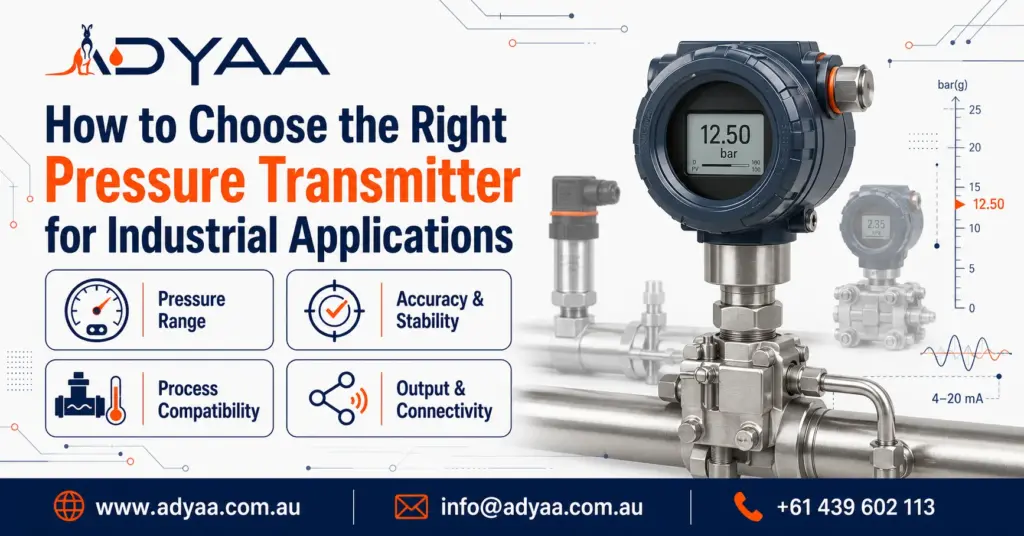
How to Choose the Right Pressure Transmitter for Industrial Applications Pressure transmitters are used across industries to monitor and control the pressure of liquids, gases and steam. However, selecting the right transmitter involves more than choosing a pressure range. Factors such as process media, operating conditions, accuracy requirements and communication protocols all influence performance. Choosing the right Pressure Transmitter helps improve process reliability, reduce maintenance requirements and support long-term operational efficiency. What Is a Pressure Transmitter? A pressure transmitter is an industrial instrument that measures process pressure and converts it into a standard electrical output for monitoring and control systems. Modern pressure transmitters provide continuous pressure measurements and integrate with PLC, SCADA and Distributed Control Systems (DCS), allowing operators to monitor critical processes in real time. They are commonly used in manufacturing, oil & gas, water treatment, chemical processing, mining, food & beverage and pharmaceutical industries. Why Choosing the Right Pressure Transmitter Matters Selecting the correct pressure transmitter helps improve overall plant performance. Improve Measurement Accuracy Accurate pressure readings support better process control and decision-making. Increase Equipment Reliability Using the right transmitter reduces unnecessary wear on equipment. Reduce Downtime Reliable pressure monitoring helps identify issues before they affect production. Improve Process Efficiency Consistent pressure measurements help optimise industrial operations. Support Automation Pressure transmitters provide reliable data for automated control systems. Lower Maintenance Costs Choosing the right instrument reduces unexpected failures and maintenance requirements. Factors to Consider When Choosing a Pressure Transmitter Selecting the right pressure transmitter requires evaluating several process conditions. Pressure Range Choose a transmitter with a pressure range that comfortably covers normal operating conditions without exceeding its limits. Process Media Consider whether the transmitter will measure water, chemicals, steam, gases, oils or corrosive fluids. The wetted materials must be compatible with the process media to ensure long-term reliability. Measurement Accuracy Applications such as pharmaceutical manufacturing and custody transfer often require higher accuracy than general industrial processes. Select a transmitter that matches the required level of measurement precision. Operating Temperature High or low process temperatures can affect transmitter performance. Verify that both the process temperature and ambient temperature fall within the instrument’s operating limits. Pressure Connection Ensure the pressure connection matches your piping or equipment. Common process connections include: BSP NPT Flanged Connections Hygienic Connections Output Signal Most industrial pressure transmitters support one or more communication methods. Common outputs include: 4–20 mA HART Modbus IO-Link PROFIBUS FOUNDATION Fieldbus Choose the communication protocol that integrates with your automation system. Environmental Conditions Consider installation conditions such as: Dust Moisture Vibration Hazardous Areas Outdoor Exposure The enclosure rating should suit the operating environment. Certification Requirements Certain industries require transmitters that comply with recognised standards or hazardous-area approvals. Confirm that the selected transmitter meets the applicable project or industry requirements. Pressure Transmitter Selection Checklist Selection Factor Why It Matters Pressure Range Prevents overloading and improves measurement accuracy Process Media Ensures material compatibility Accuracy Supports reliable process control Temperature Maintains stable performance Output Signal Enables seamless automation integration Process Connection Simplifies installation Environmental Rating Protects against harsh conditions Certifications Supports project compliance Industrial Applications Pressure transmitters are used in a wide variety of industries. Oil & Gas Monitor pipelines, separators, storage tanks and compressors. Chemical Processing Measure reactor, vessel and pipeline pressures. Water & Wastewater Monitor pumps, filters and distribution systems. Food & Beverage Control process pressure during production and cleaning operations. Pharmaceutical Maintain consistent process conditions during manufacturing. Mining Measure slurry transport, hydraulic systems and process equipment. Power Generation Monitor boilers, turbines and cooling systems. Manufacturing Support automation across production lines and industrial machinery. Common Mistakes When Selecting a Pressure Transmitter Many pressure measurement issues result from incorrect selection. Common mistakes include: Selecting an incorrect pressure range Ignoring media compatibility Choosing unsuitable wetted materials Overlooking temperature limitations Selecting the wrong communication protocol Incorrect installation location Skipping routine calibration Proper planning helps improve measurement reliability and extend equipment life. Why Professional Selection Matters Pressure transmitters are often installed in critical process applications where measurement accuracy directly affects safety, efficiency and product quality. Working with experienced instrumentation specialists helps ensure the transmitter matches the operating conditions, process requirements and automation system. The right selection reduces maintenance costs while improving long-term operational performance. Why Choose ADYAA? ADYAA supplies industrial pressure measurement solutions for customers across Australia. Extensive Pressure Instrumentation Range Pressure Transmitters, Pressure Gauges, Pressure Switches and Pressure Accessories. Technical Product Expertise Support in selecting the right pressure measurement solution for your application. Reliable Industrial Products Solutions designed for demanding industrial environments. Automation Ready Compatible with PLC, SCADA and DCS platforms. Australia-wide Support Reliable technical assistance across Australia. Long-Term Process Reliability Helping industries improve measurement accuracy and operational efficiency. Frequently Asked Questions What pressure range should I choose? The transmitter should cover your normal operating pressure while allowing sufficient margin for temporary pressure fluctuations. Which output signal is most commonly used? The 4–20 mA output remains one of the most widely used standards in industrial automation, while HART, Modbus and IO-Link are also common. Can one pressure transmitter measure all process fluids? No. Material compatibility must be evaluated based on the process media and operating conditions. How accurate should a pressure transmitter be? The required accuracy depends on the application. General industrial processes and precision manufacturing may have different accuracy requirements. How often should pressure transmitters be calibrated? Calibration intervals depend on the application, operating conditions and maintenance programme. Can pressure transmitters be installed outdoors? Yes. Many industrial models are designed for outdoor use when installed with the appropriate environmental protection. Selecting the right Pressure Transmitter is essential for achieving accurate pressure measurement, reliable process control and efficient industrial operations. By considering pressure range, media compatibility, environmental conditions and communication requirements, businesses can improve equipment performance while reducing maintenance and downtime. ADYAA provides industrial pressure transmitters and instrumentation solutions across Australia, helping businesses select reliable products for a wide range of industrial applications. Need help choosing the right Pressure Transmitter? Our instrumentation specialists can help you select a pressure transmitter that matches your process conditions,
Pressure Instrumentation Suppliers: What to Look for Before You Buy.
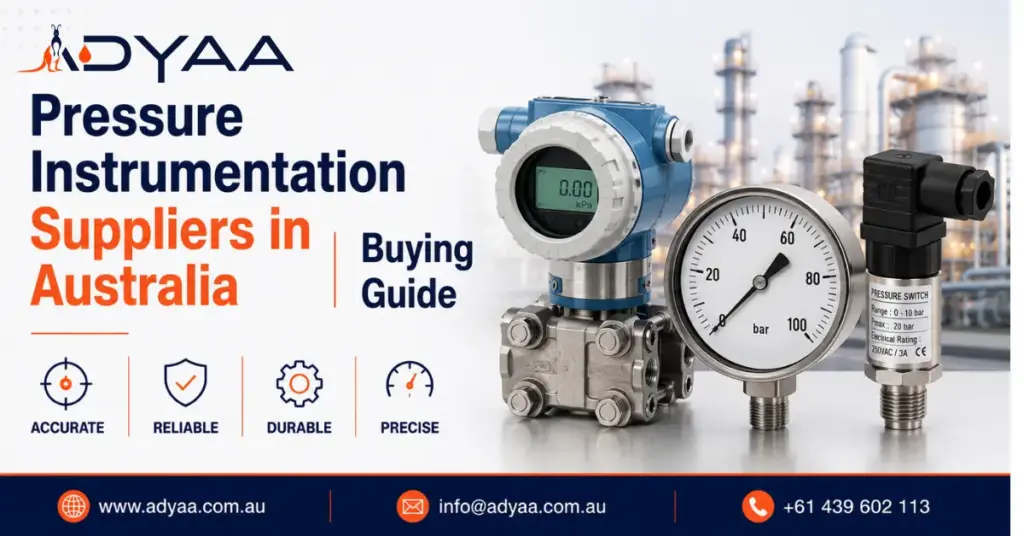
Pressure Instrumentation Suppliers: What to Look for Before You Buy Selecting a pressure instrument isn’t simply about finding the lowest price or the quickest delivery. The right solution depends on your process conditions, operating environment and the level of measurement accuracy your application demands. Many businesses experience recurring maintenance issues because the wrong pressure instrument was selected from the beginning. Working with experienced Pressure Instrumentation Suppliers helps reduce these problems by matching the product to the application rather than simply supplying a catalogue item. Whether you’re installing a new production line or upgrading an existing process, understanding what to look for before purchasing can save time, reduce maintenance and improve long-term reliability. Why Choosing the Right Supplier Matters Pressure instruments play an important role in process safety, equipment protection and production efficiency. Choosing the right Pressure Instrumentation Suppliers means more than buying products. It means receiving guidance on selecting equipment that performs reliably under your operating conditions. A knowledgeable supplier can also help simplify installation, improve compatibility and reduce unexpected downtime. Which Pressure Instruments Are Commonly Used? Different applications require different pressure measurement solutions. Pressure Transmitters Pressure transmitters continuously measure pressure and send electronic signals to PLCs, DCS or automation systems. Common applications include: Chemical processing Water treatment Manufacturing Oil & Gas Food processing Pressure Gauges Pressure gauges provide local pressure indication, allowing operators to monitor system performance quickly. They are commonly installed on: Pumps Compressors Hydraulic systems Steam lines Industrial machinery Pressure Switches Pressure switches activate or deactivate equipment when preset pressure levels are reached. Typical applications include: Pump protection Compressor control Hydraulic systems Safety shutdown systems What Should You Consider Before Buying? Before selecting any industrial pressure instrument, consider the following: Operating pressure range Process temperature Media compatibility Required measurement accuracy Installation location Electrical output requirements Environmental conditions Industry standards and certifications Answering these questions helps ensure the selected instrument performs reliably throughout its service life. Common Mistakes When Purchasing Pressure Instruments Many performance issues begin long before installation. Some common mistakes include: Choosing the wrong pressure range Ignoring process media compatibility Selecting instruments based only on price Overlooking environmental conditions Using incorrect process connections Purchasing without technical guidance These mistakes often lead to inaccurate readings, shorter equipment life and increased maintenance costs. Questions to Ask Your Pressure Instrumentation Supplier Before placing an order, ask: Is this instrument suitable for my application? Which materials are compatible with my process media? What accuracy level is recommended? Does the instrument support my control system? Is calibration required before installation? What maintenance is recommended? The answers will help you make a more informed purchasing decision. Industries That Depend on Pressure Instrumentation Water & Wastewater Monitor pumps, pipelines and treatment systems with reliable pressure measurement. Chemical Processing Maintain safe operating conditions across production processes. Food & Beverage Support hygienic manufacturing and process consistency. Oil & Gas Monitor pressure across upstream, midstream and downstream operations. Power Generation Protect critical equipment through continuous pressure monitoring. Manufacturing Improve automation and production efficiency with accurate pressure measurement. Mining & Minerals Monitor slurry systems, pumps and process equipment. General Industry Support safe and efficient industrial operations through dependable instrumentation. Frequently Asked Questions What products do Pressure Instrumentation Suppliers provide? Most suppliers offer pressure transmitters, pressure gauges, pressure switches and related accessories for industrial applications. How do I choose the right pressure transmitter? Selection depends on pressure range, process media, temperature, installation method and required output signal. Why is pressure measurement important? Accurate pressure measurement helps improve process efficiency, equipment protection and workplace safety. Should pressure instruments be calibrated? Yes. Periodic calibration helps maintain measurement accuracy and reliable system performance. Can one pressure instrument suit every application? No. Different industries and operating conditions require different pressure measurement solutions. Final Thoughts Choosing experienced Pressure Instrumentation Suppliers is just as important as selecting the right instrument. A well-matched pressure solution improves measurement accuracy, supports reliable process control and reduces long-term maintenance. If you’re comparing pressure transmitters, pressure gauges or pressure switches, selecting equipment based on your application rather than price alone usually delivers better long-term results. Pressure Instrumentation Suppliers: What to Look for Before You Buy. How Vision & Imaging Sensors Transform Automated Inspection Systems In the high-speed world of modern manufacturing, zero-defect production is no… Read More → The Role of Sealing in Preventing Leakage and Safety Hazards Focus The Role of Sealing in Preventing Leakage and Safety Hazards A leak is rarely just a “drip.” In a chemical… Read More → How Vision & Imaging Sensors Transform Automated Inspection Systems How Vision & Imaging Sensors Transform Automated Inspection Systems In the high-speed world of modern manufacturing, zero-defect production is no… Read More →
Optimizing Process Instrumentation Setup
How to Optimize Your Process Instrumentation Setup Optimizing your process instrumentation setup involves strategically selecting, installing, and calibrating the exact sensors, transmitters, and controllers needed to monitor your plant’s physical variables. Standard setups often rely on generic sensors placed in convenient locations, leading to inaccurate data and inefficient operations. A truly optimized setup eliminates blind spots, utilizes smart digital diagnostics to predict failures, and guarantees that your control room is making critical production decisions based on 100% accurate, real-time data. Quick Comparison: Standard vs. Optimized Instrumentation Loop Component Standard Setup Optimized Setup Primary Sensors Generic, one-size-fits-all selection Specifically matched to fluid dynamics and media Transmitters Basic analog outputs (4-20mA only) Smart digital protocols (HART, Modbus) Installation Placed for maintenance convenience Placed for absolute measurement accuracy Maintenance Reactive (fix when broken) Predictive (diagnostics alert before failure) To maximize plant safety, reduce material waste, and increase overall product yield, here is the engineering breakdown of how to audit and optimize your measurement tools. Understanding the Core Instrumentation Loop If heavy machinery is the muscle of your manufacturing plant, process instrumentation is the central nervous system. Before optimizing, you must ensure the three primary components of your control loop are communicating flawlessly. The Three Pillars of Measurement The Primary Element (The Sensor): The physical device in direct contact with the process media (e.g., a thermocouple measuring heat, or a dew point sensor detecting moisture). The Transmitter: The device that converts the raw physical signal from the sensor into a standardized electrical signal. The Controller (PLC/DCS): The brain of the operation. It reads the transmitted signal and automatically makes mechanical adjustments, such as opening a control valve to lower tank pressure. 3 Steps to Optimize Your Setup If your plant is experiencing inconsistent product quality, mysterious pressure spikes, or frequent equipment trips, your instrumentation setup requires an immediate overhaul. 1. Specify the Right Technology for the Media Never use a generic sensor for a complex industrial application. Optimizing means matching the physics of the sensor to the physical state of the product. Real-World Example The Problem: Using a standard ultrasonic level sensor to measure a highly foaming, agitated chemical in a tank. The foam absorbs the sound waves, causing the sensor to send false “empty” readings to the controller. The Optimization: Upgrade to a Guided Wave Radar (GWR) sensor. Radar pulses cut straight through foam and chemical vapors to provide absolute accuracy, preventing dangerous tank overflows. 2. Correct Installation and Strategic Placement Even the most expensive instrument will deliver garbage data if it is installed in the wrong location on the pipeline. Flow Meter Optimization Flow meters must be installed with enough straight pipe runs upstream and downstream. If installed immediately after a pipe elbow or a valve, the fluid turbulence will cause erratic and false flow readings. Temperature Sensor Optimization The thermowell must be inserted deep enough into the pipe (typically the center third). If it is too short, it measures the cooler temperature near the pipe wall rather than the core fluid temperature, leading to under-heating in your process. 3. Upgrade to Smart Digital Diagnostics Legacy analog gauges require operators to walk the plant floor with a clipboard, manually recording dials. This introduces human error and delays critical response times. The Power of Smart Transmitters Upgrading to smart digital process instrumentation completely changes your maintenance strategy. Modern transmitters not only send the primary measurement (like pressure) to your control room but also send secondary diagnostic data. The instrument will actually alert your maintenance team if its internal sensor is drifting, if it is clogged with debris, or if its signal line is degrading. The Crucial Role of Routine Calibration Optimization is not a one-time installation event. Over time, extreme industrial heat, constant vibration, and harsh chemical exposure will cause even the best sensors to “drift” from their true zero point. Implementing a strict, traceable calibration schedule is the only way to guarantee your optimized loop remains accurate. If a pressure transmitter drifts by just 2%, your controller might force a boiler to run hotter than necessary, wasting thousands of dollars in energy costs. Take Control of Your Plant’s Data Running an industrial facility on inaccurate data is a massive operational and financial risk. ADYAA Engineering supplies, installs, and calibrates premium process instrumentation designed specifically for rigorous manufacturing demands. From high-accuracy dew point sensors to critical temperature monitoring, we ensure you have total control over your production process. Explore our process instrumentation tools. Industrial IoT in Manufacturing Explained – Copy How to Optimize Your Process Instrumentation Setup Optimizing your process instrumentation setup involves strategically selecting, installing, and calibrating the exact… Read More → Industrial IoT in Manufacturing Explained Industrial IoT in Manufacturing Explained Industrial IoT in manufacturing (IIoT) is the integration of smart, internet-connected sensors and cloud-based analytics… Read More → High Pressure Sealing Solutions Guide A Complete Guide to High Pressure Sealing Solutions High pressure sealing solutions are specialized industrial gaskets engineered to contain volatile… Read More →
What Is Industrial Instrumentation? A Guide To Smarter Process Control
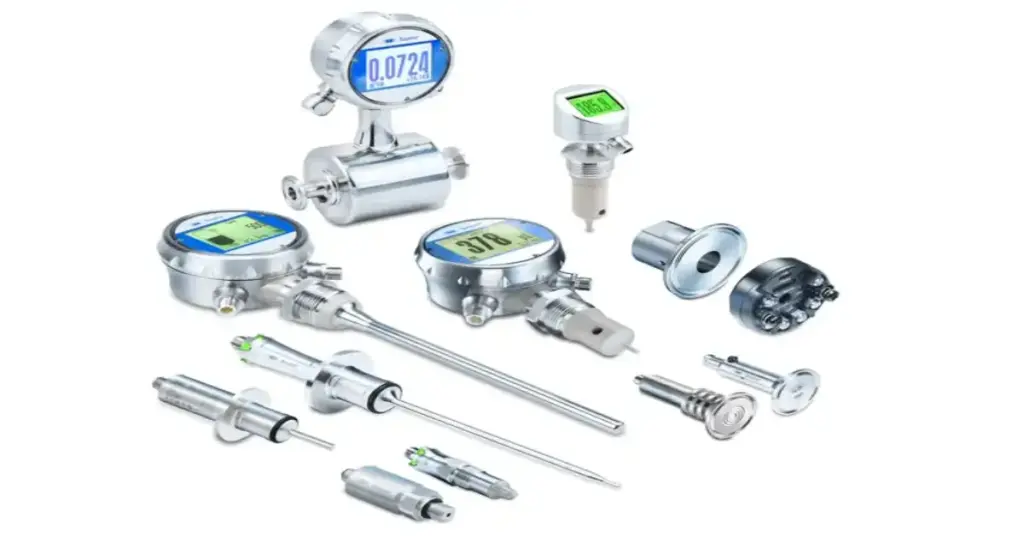
What Is Industrial Instrumentation? A Guide To Smarter Process Control Industrial instrumentation is the science of measurement and control. It encompasses the vast array of devices, sensors, and systems used to monitor, measure, and regulate physical variables like pressure, temperature, level, and flow within industrial processes. Think of it as the central nervous system for a factory or plant; it provides the critical real-time data needed to make informed decisions, ensuring everything operates safely, efficiently, and consistently. Without accurate instrumentation, processes would be blind, unreliable, and potentially dangerous. Key Aspects of Instrumentation: The Big Four Measurements Four fundamental variables, expertly managed by instrumentation, are at the heart of most processes. Pressure: The force applied by a gas or liquid on a surface. It’s crucial for containing energy within systems. Example: A pressure gauge on a compressed air tank ensures it doesn’t exceed its maximum safe working pressure, preventing a catastrophic rupture. Level: The height of a substance (liquid or solid) in a vessel, tank, or silo. It’s essential for inventory management and preventing overfills. Example: A level gauge on a fuel storage tank tells operators how much product is available, ensuring a facility doesn’t run out unexpectedly during a critical operation. Flow: The rate at which a fluid or gas moves through a pipe. It is key to managing material consumption and production rates. Example: A flow meter on a chemical injection skid precisely measures the exact amount of additive being mixed into a main product, guaranteeing the final mixture’s quality and consistency. Temperature: The degree of hotness or coldness in a system. It is vital for reaction control, safety, and product quality. Example: A temperature gauge in a brewery’s mash tun ensures the grains are held at the perfect temperature to activate enzymes, which is essential for converting starches into fermentable sugars. Benefits of Instrumentation: More Than Just Numbers Investing in high-quality instrumentation delivers tangible returns across your entire operation. Safety: This is the top priority. Instruments act as the first line of defense, preventing disasters like equipment over-pressurization, tank overfills, or overheating. Efficiency & Cost Savings: By providing precise data, instrumentation helps optimize resource use. You use exactly the amount of energy, water, or raw materials needed, reducing waste and lowering operational costs. Quality Control: Consistent processes create consistent products. Instrumentation ensures every batch meets the same specifications, protecting your brand’s reputation. Downtime: Predictive maintenance is powered by instrumentation. Small changes in vibration, temperature, or pressure can signal an impending failure, allowing you to schedule repairs before a costly, unplanned shutdown occurs. Why is precise instrumentation non-negotiable? The old adage is true: “You can’t control what you don’t measure.” Guessing leads to inefficiency, product waste, and risk. Instrumentation replaces guesswork with hard data, providing the visibility required to automate complex processes, protect multi-million dollar assets, and make strategic decisions that boost profitability. Examples of Instruments in Action: Oil & Gas: A pressure gauge on a wellhead monitor ensures extraction pressures are safe and optimal. Water Treatment: A pH sensor (a type of analytical instrument) constantly measures water acidity to ensure the correct dosage of treatment chemicals. Power Generation: A vibration monitor on a turbine shaft detects unusual oscillations, signaling the need for maintenance before a breakdown happens. Food & Beverage: A sanitary temperature indicator in a pasteurization line verifies that someone has heated milk to the required temperature to ensure it is safe for consumption. The Bottom Line Instrumentation is not an overhead cost; it is a foundational investment in the safety, intelligence, and profitability of your industrial operations. Choosing robust, accurate, and reliable instruments from a provider like ADYAA ensures your process control is in expert hands, giving you peace of mind and a clear competitive advantage. How Industrial Automation Sensors Improve Automation & Efficiency in Manufacturing How Vision & Imaging Sensors Transform Automated Inspection Systems IoT and Automation in Industrial Operations: Boost Efficiency, Safety, and Reliability Gaskets vs O-Rings: Which Sealing Solution Is Right for You? Load More