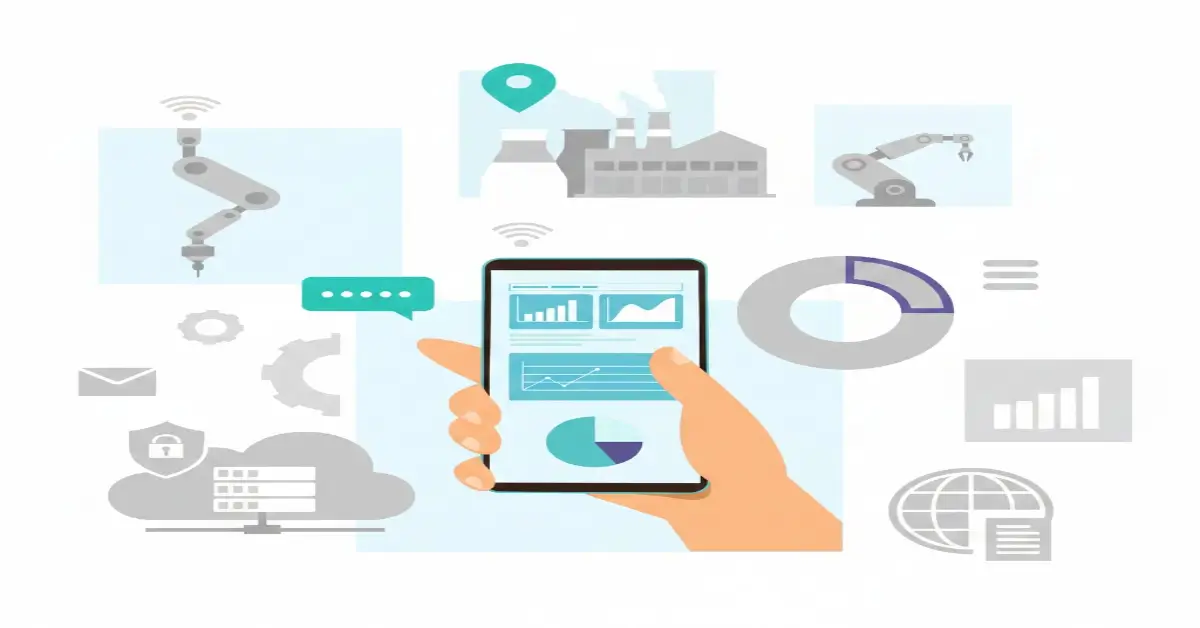
Discover how IoT and automation revolutionize industrial operations. Improve efficiency, enhance safety, and prevent downtime with predictive maintenance, remote monitoring, and smart automation solutions.
Why IoT and Automation Matter
Industrial operations are rarely simple. A missed maintenance alert, delayed data, or human error can cost thousands—or even millions.
IoT and automation are no longer optional—they are critical for:
- Operational efficiency
- Safety and compliance
- Minimizing downtime
Callout Box:
ADYAA, Tip for Plant Managers: Digital systems act as invisible sentinels, monitoring operations 24/7 and reducing risks before they become costly problems.
The Cost of Inefficiency Without IoT
Inefficiency shows up in several ways:
- Unplanned Downtime: Machines fail unexpectedly.
- Safety Hazards: Human monitoring errors in hazardous environments.
- Energy and Material Waste: Manual processes consume more resources.
Insight: Adopting ADYAA IoT and automation allows plant managers to proactively reduce risks and improve performance.
Suggested Image: Industrial plant with IoT sensors – Alt: “Industrial IoT sensors monitoring machinery”
How IoT and Automation Transform Industrial Operations
Modern industrial operations demand precision, insight, and control. Here’s how smart technologies make a difference:
Predictive Maintenance – Stop Downtime Before It Happens
Manual maintenance schedules are reactive and costly.
- Solution: IoT sensors + AI analytics
- How it Works: Sensors track temperature, vibration, and performance in real-time. AI predicts failures before they occur.
- Benefit: Continuous production with minimal unplanned downtime.
Suggested Icon/Image: Gear with sensor – Alt: “Predictive maintenance using IoT sensors”
Process Automation – Consistency & Efficiency
Manual operations introduce variability and errors.
- Solution: PLCs and automation software
- How it Works: Automated systems control machine sequences, fluid levels, and assembly lines with precision.
- Benefit: High-quality output and efficient resource use.
Suggested Icon/Image: Robotic arm on production line – Alt: “Industrial automation controlling production line”
Remote Monitoring – Control Operations Anywhere
Many plants operate in hazardous or remote areas.
- Solution: IoT gateways + cloud dashboards
- How it Works: Real-time data is sent to dashboards, allowing engineers to monitor and adjust operations remotely.
- Benefit: Continuous operational control and safety, even off-site.
Suggested Icon/Image: Cloud dashboard – Alt: “IoT remote monitoring dashboard”
Data-Driven Decision Making – Insights That Drive Action
Data is valuable only if it informs action.
- Solution: Industrial AI + analytics platforms
- How it Works: Aggregated sensor data identifies trends and anomalies, allowing managers to optimize production schedules and improve safety protocols.
- Benefit: Smarter decisions, less waste, safer operations.
Suggested Icon/Image: Analytics graph – Alt: “Data-driven decision making in industrial operations”
Why IoT and Automation Projects Fail (And How to Avoid It)
Even advanced systems fail without proper management:
- Poor Integration: Disconnected devices lead to fragmented insights.
- Insufficient Training: Operators misinterpret dashboards.
- Neglecting Maintenance: Sensors and PLCs need periodic checks.
Callout Box: Partner with experienced vendors who understand industrial processes and system integration.
Secure Your Industrial Future
Efficiency and safety cannot rely on human vigilance alone.
IoT and automation provide:
- Predictive intelligence
- Precise control
- Actionable insights
Investing in smart industrial systems ensures your plant stays future-ready, efficient, and risk-free.
Explore ADYAA’s Industrial Sensors Collection
Contact ADYAA’s technical team for expert advice